Volume 13, Issue 2 (5-2025)
Jorjani Biomed J 2025, 13(2): 43-47 |
Back to browse issues page



Download citation:
BibTeX | RIS | EndNote | Medlars | ProCite | Reference Manager | RefWorks
Send citation to:


BibTeX | RIS | EndNote | Medlars | ProCite | Reference Manager | RefWorks
Send citation to:
Saghali S, Mahmoodi-Shan G R, Badeleh M T, Vakili M A. The effect of group water walking on the level of happiness in elderly women attending elderly centers in Gorgan: A field trial study. Jorjani Biomed J 2025; 13 (2) :43-47
URL: http://goums.ac.ir/jorjanijournal/article-1-1082-en.html
URL: http://goums.ac.ir/jorjanijournal/article-1-1082-en.html


1- Department of Nursing, Alejalil Aq Qala Hospital, Golestan University of Medical Sciences, Aq Qala, Iran
2- Nursing Research Center, Golestan University of Medical Sciences, Gorgan, Iran ,mahmoodigh@yahoo.com
3- Department of Health Psychology, School of Medicine, Golestan University of Medical Sciences, Gorgan, Iran
4- Department of Nursing, Alejalil Aq Qala Hospital, Golestan University of Medical Sciences, Aq Qala, Iran; Health Management and Social Development Research Center, Golestan University of Medical Sciences, Gorgan, Iran
2- Nursing Research Center, Golestan University of Medical Sciences, Gorgan, Iran ,
3- Department of Health Psychology, School of Medicine, Golestan University of Medical Sciences, Gorgan, Iran
4- Department of Nursing, Alejalil Aq Qala Hospital, Golestan University of Medical Sciences, Aq Qala, Iran; Health Management and Social Development Research Center, Golestan University of Medical Sciences, Gorgan, Iran
Full-Text [PDF 482 kb]
(1760 Downloads)
| Abstract (HTML) (6370 Views)
Discussion
The study showed that group water walking had a positive impact on the happiness level of elderly women. In explaining this result, it can be said that exercise has numerous physical, psychological, and functional effects that contribute to increasing an individual's happiness. Sran et al. (2021) showed that there is a strong relationship between subjective well-being and physical activity. They also indicated that active people experience higher levels of happiness and self-esteem compared to beginners and inactive individuals (26). Aligned with the present study, Taleghani et al. (2016) demonstrated that a Pilates exercise intervention for elderly women resulted in significantly increased mean happiness and decreased depression scores among participants in the intervention groups after one and two months, compared to the control group (5). Skurvydas et al. (2024) revealed that physical activity improves happiness and reduces perceived stress in both women and men (27). A systematic review and meta-analysis revealed that individuals who underwent aquatic exercise interventions experienced a statistically significant reduction in symptoms of mental disorders compared to their pre-treatment levels (28). Kareri et al (2022) stated that exercise helps increase an individual's happiness by releasing endorphins, which create pleasant feelings and reducing cortisol levels, a hormone secreted in the blood during nervous stress (29). The perceived anxiety levels in aging aqua walking exercisers were significantly reduced compared to younger populations (14). A comparison of happiness levels between two groups of elderly individuals, one active and the other inactive, revealed that the overall level is higher among the active elderly group than the inactive group (30). Najafzadeh et al. (2024) reported that the level of engagement in physical activity was below average and that physical activity had a significant correlation with psychological well-being (31).
An aspect of the study involved engaging elderly individuals in group walks, where the benefits of both walking and social interaction were combined. The elderly requires social connections and conversation, which were facilitated through group walks in the study. Anbari et al. (2012) examined group walking programs to identify the mental, emotional, and social well-being benefits of participating in group walks. They found that group walks in nature were associated with significantly lower levels of depression, perceived stress, and negative affect, as well as enhanced positive affect and mental well-being (32). Lee et al. (2023), in a study on different levels of leisure walking among older adults with mild cognitive impairment, indicated that older adults with mild cognitive impairment gained more mental health benefits and life satisfaction through moderate and vigorous leisure walking than through light leisure walking (33). Yamashita et al. (2024) suggested that walking was beneficial in improving overall physical activity, regardless of whether individuals engaged in small community walking or walked alone. Furthermore, small community walking interventions may effectively enhance well-being (34). Quirk et al. (2021) indicated that participation in community-based running and walking increased happiness and mental health (35).
Shobeiri et al. (2016) also examined the impact of aerobic exercise on women's happiness, and their findings were consistent with those of the present study (36). However, the results of this study are not consistent with the study by Anbari et al. (2012) titled “The effect of eight weeks of general exercise on the physical fitness and general health of male employees.” Their findings did not demonstrate a significant relationship between exercise and general health (32). The discrepancy may be attributed to differences in the gender composition of the study samples.
Conclusion
The study demonstrated that a consistent water walking program is effective in boosting the happiness of elderly women. Therefore, it is recommended that regular water walking be utilized as a beneficial and supplementary approach - as a non-pharmacological and low-risk intervention - in conjunction with other conventional treatments to enhance happiness. Given the growing elderly population and their physical and psychological challenges, along with the benefits and features of water walking, and in light of the findings of this study, group water walking is proposed as a recommended physical activity for the elderly to elevate their happiness levels.
The researcher addressed some limitations by offering free pool tickets and shuttle services for the elderly. The completion of the questionnaires was self-reported, which was not within the researcher's control. Additionally, the high costs associated with the study were managed by covering them.
Acknowledgement
We would like to express our gratitude to all the respected elderly individuals who assisted the researchers in conducting this study, as well as the members of the board of directors of the Jahandidegan Center.
Funding sources
The present study was conducted at Golestan University of Medical Sciences, Nursing Research Center. The authors declare that no funds, grants, or other support were received during the preparation of this manuscript from other institutes.
Ethical statement
The manuscript was derived from the study as a master's thesis on elderly nursing in the Nursing Research Center of the Faculty of Nursing and Midwifery at Golestan University of Medical Sciences. The study received ethical approval from the Golestan University of Medical Sciences Research Ethics Committee under number IR.GOUMS.REC.1397.039. All participants gave informed consent for their participation. All authors agree to the publishing of the manuscript.
Conflicts of interest
The authors declare that there is no conflict of interests.
Author contributions
S. S.: Conceptualization, Methodology, Writing-Original draft, Project administration, and Data collection; G. R. M. S.: Methodology, Writing-Review and Editing, Visualization, and Supervision; M. T. B.: Methodology and Writing-Review; M. A. V.: Statistical analysis and Data interpretation.
Data availability statement
Data will be available if necessary.
Full-Text: (855 Views)
Introduction
Aging is a gradual, irreversible, and sensitive period of human life during which the elderly are exposed to potential threats such as physical and mental disabilities (1). One phenomenon that elderly women face is menopause, which causes physiological and psychological changes that decrease their happiness (2,3).
Additionally, due to the loss of friends and relatives, the elderly suffer from isolation and social isolation, which can also lead to a decrease in happiness (4,5). Happiness, as a positive emotion, increases pleasure, peace, hope, and the meaning of life. It can protect people from mental pressures and is a factor in generating energy, enthusiasm, and promoting mental health (6,7).
One of the most effective factors in making the elderly happy is engaging in sports and physical activity (8). Participation in sports activities can make the elderly feel comfortable, happy, and refreshed, improving their mental health (9). Exercise also improves their ability, flexibility, and performance, while reducing anxiety and depression (10,11). Research shows that water exercises are effective in increasing physical capabilities and reducing problems caused by the aging process (12,3).
One training method that has received attention in recent years is hydrotherapy. In addition to the benefits of general exercise, hydrotherapy has unique physiological and physical benefits that can increase the quality of life of the elderly (11,13). Studies have shown that eight weeks of aquatic exercises have a positive effect on the performance and muscle strength of elderly people with osteoarthritis (6,9). A study has revealed that aging individuals who participate in aqua walking exercise experience a higher quality of life, improved physical self-perception, and perceived health (15). Taleghani et al. (2016), in a study, indicated that morning and evening walks similarly improved the sleep quality of elderly people (5). Rezaei et al. found that sports exercises in water had a significant impact on sleep disturbances (10). By creating a hydrostatic environment and raising the level of buoyancy, the water environment reduces the weight force on the joints, allowing individuals to do exercises they may not be able to do on land or to avoid pain altogether. This reduces the fear of falling and the possibility of getting injured (16,17).
Aquatic exercises provide a safe, effective, and appropriate environment for improving musculoskeletal and balance disorders, reducing gait disorders and fear of falling, and reducing stress on joints (11). Older women are part of society in the modern world, and in Iran they comprise about 36.47%. In general, the elderly experience various social deprivations, low quality of life, cognitive disorders, disability, and an increased risk of physical and psychological disorders (18), and research shows that walking in water is one of the solutions to reduce psychological trauma in elderly women (3).
A study indicated that an aquatic exercise program is an effective way to improve the quality of life of elderly women aged 60-70 years (19). Motaharinezhad et al., in a study, indicated that there was a significant difference in life satisfaction, positive mood, mental health, and happiness between elderly women in a regular six-week walking program and a control group (20). A water-based exercise program is an effective alternative to land-based exercise; a 16-week exercise program indicated a significant improvement in functional activity in daily life (21). Despite the importance of physical activity and exercise for the elderly, few studies have explored the impact of group water exercise on the happiness levels of elderly women. Therefore, the present study aimed to determine the effects of water walking on the happiness level of elderly women.
Methods
This study is a field trial with intervention and control groups, conducted on elderly women at the Jahandidehgan Elderly Day Care Center in Golestan province, Gorgan, Iran. The study population included all elderly women who were members of the Jahandidehgan Day Center in Gorgan in 2019 - 2020. The samples were selected from elderly women at the Jahandidehgan Day Center based on the inclusion and exclusion criteria and the calculated sample size.
Sample size
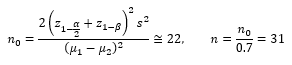
The sample size was estimated based on the findings of Soleimani et al. (22), considering the difference in the mean quality of life before and after the intervention. The intervention group showed a difference of 9 units, while the control group demonstrated a difference of -0.9, with a standard deviation of 11.2. The significance level was assumed to be 0.05, with a statistical power of 0.80. Using the appropriate sample size calculation formulas and accounting for a 30% attrition rate, the minimum required sample size was determined to be 31:
1. Inclusion criteria:
- Willingness to participate in the study.
- Happiness score less than 64.
- Elderly individuals aged 60 - 70 years who were physically active and able to perform daily tasks without relying on others.
- No history of neurological defects (Stroke, Parkinson's disease, or paralysis) and no history of hospitalization in the neurology department.
2. Exclusion criteria:
- Elderly people who did not attend three or more intervention sessions.
Sampling method
The women’s happiness levels were assessed prior to the intervention. Elderly women with a happiness score below 75% of the total score were included in the study. This cutoff point was determined by dividing the maximum happiness level score into four quartiles. Elderly women with a happiness score below the third quartile (Less than 64) were included in the study, while those with a score above the third quartile were not included. Therefore, the number of elderly people who filled out the happiness questionnaire was 92 women, of whom 64 met the inclusion criteria.
After completing the questionnaire, 64 eligible women were selected and randomly assigned to either the intervention or control group. Random allocation was performed using a computer-generated random number sequence in SPSS software to ensure an equal probability of assignment to each group. This process was conducted by an independent researcher to prevent allocation bias. This randomization method was used to minimize selection bias and ensure comparability between groups at baseline, allowing for an unbiased assessment of the intervention’s effect. Participants visited the Jahandidehgan Day Center and were then assigned to either the intervention or control group based on the provided list. The second phase of data collection occurred after two months of intervention (23). Participants were asked to complete the happiness level questionnaire once again at this time.
Data collection
The data collection process began after obtaining the ethical code from the Ethics Committee of Golestan University of Medical Sciences in Gorgan, Iran. The project was then presented to the officials and managers of the research environment. The researchers attended the Jahandidehgan Center from August 1 to November 2019 to collect data and subsequently conducted the intervention and data collection.
The walking event took place at the Shaghayegh pool in Gorgan city, Iran. A taxi service was used to transport the elderly participants. The pool fee was paid by the researchers according to the proposal budget.
Data collection tool
The data collection tool included a form for demographic information and the Oxford Happiness Questionnaire. The demographic information form included variables such as age, education, number of children, occupation, income, marital status, family status, history of medication use (Alprazolam, fluoxetine, nortriptyline, chlordiazepoxide), and history of hospitalization in a psychiatric ward.
The Oxford Happiness Inventory (OHI) was developed by Argyle, Martin, and Crossland and consists of 29 items. Over the years, this questionnaire was revised and reissued as the Oxford Happiness Questionnaire or OHQ (24). Each item presents 4 statements, with the first statement scoring 0 and the fourth statement scoring 3. An individual's final score ranges from 0 to 87, with a higher score reflecting greater happiness. The validity and reliability of the Oxford Happiness Inventory have been confirmed. Cronbach's alpha for the entire instrument was 0.91 (24). The Iranian version of the questionnaire showed a high correlation between all 29 items and the total score for internal consistency. Cronbach's alpha was 0.93, and the split-half reliability of the test was 0.92. Also, the test-retest reliability was 0.79. The face and content validity of the questionnaire confirmed the ability of this test to measure happiness. Factor analysis resulted in the extraction of 5 factors that explained a total of 57.1% of the total variance (25).
Intervention
After coordinating with the pool hall and reserving a special area for the elderly, as well as coordinating with their families, the participants attended a briefing session before entering the water. During this session, they were informed about the study process and reminded of important guidelines, such as restrictions on communicating with each other while in the water. The participants were divided into four groups of eight elderly people each and engaged in water walking sessions for 20 minutes, twice a week, for two months (15). These sessions were scheduled in the middle of the day when the elderly were more alert. The intervention group, divided into four groups of 8 people, attended the pool twice a week from 10-11 am. Each group walked for 20 minutes in a shallow (About 1.5 m) area where they could easily walk. People enjoyed each other's company during the walk. A specific day was assigned to each group every week for their pool session. A car service was arranged to transport the groups to and from the pool, picking them up from their homes and returning them at the end of the session. The participants wore special life jackets for safety during the water walks. To ensure the safety of the participants, one lifeguard was in the water while another was stationed outside. The researcher also closely monitored the participants during the sessions to provide full support. After two months, both the intervention group and the control group completed the questionnaire once again. It was impossible to blind the intervention group in the study.
Ethical considerations were carefully addressed during the design of the study. The design was approved by the university ethics committee (Code: IR.GOUMS.REC.1397.039.) and registered on the Clinical Trial Website (IRCT). Since the study did not involve patients, it was not necessary to register it with the evaluation center, and therefore no code was assigned to it. To gather information, the study began by presenting a letter of introduction from the Research and Technology Assistance and obtaining permission from the center officials. A specific code was used to record the information.
Participants' written consent was obtained before the study began. The elderly participants were assured that the information would be kept safe and confidential, and that they could withdraw from the study voluntarily and without pressure. The control group continued their normal activities, while the intervention group participated in 16 sessions of swimming in the pool. At the end of the study, both groups completed a happiness questionnaire. The data were entered into SPSS 22 statistical software for analysis. The study data were analyzed using descriptive and inferential statistics. Descriptive statistics were used to calculate central and dispersion indices. The Kolmogorov-Smirnov (K-S) test was used to check the normality of the data distribution. If normality was confirmed, independent and paired t-tests were conducted. If normality assumptions were not met, Mann-Whitney and Wilcoxon tests were used. The significance level for all tests was set at 0.05.
Results
In this study, 62 elderly women who met the inclusion criteria and were members of the Jahandidegan Retirement Center in Gorgan were divided into two groups: Intervention and control. The mean age and standard deviation in the intervention group were 64.87 ± 3.62, and in the control group, 64.12 ± 3.11 years. There was no statistically significant difference between the two groups (P-Value = 0.93). The chi-square test did not show any significant difference between the demographic characteristics of the elderly in the intervention and control groups (Table 1).
Both the Kolmogorov-Smirnov and Shapiro-Wilk tests conducted in the intervention and control groups indicated that the happiness score prior to the intervention did not follow a normal distribution (P-Value = 0.009 and P-Value = 0.044). Therefore, a non-parametric alternative test was used. However, post-intervention, the happiness scores exhibited a normal distribution (P-Value = 0.140 and P-Value = 0.069).
According to Table 2, the average happiness level of elderly women increased from 39.10 in the intervention group to 76.74 after water walking. The average happiness level in the control group increased from 39.48 before the intervention to 41.14 after the intervention. The Mann-Whitney test did not show a significant difference between the two groups before the intervention.
The Wilcoxon test shows that in the intervention group, there is a significant difference between the happiness scores before and after the intervention, whereas in the control group this difference is not significant (Tables 3).
Aging is a gradual, irreversible, and sensitive period of human life during which the elderly are exposed to potential threats such as physical and mental disabilities (1). One phenomenon that elderly women face is menopause, which causes physiological and psychological changes that decrease their happiness (2,3).
Additionally, due to the loss of friends and relatives, the elderly suffer from isolation and social isolation, which can also lead to a decrease in happiness (4,5). Happiness, as a positive emotion, increases pleasure, peace, hope, and the meaning of life. It can protect people from mental pressures and is a factor in generating energy, enthusiasm, and promoting mental health (6,7).
One of the most effective factors in making the elderly happy is engaging in sports and physical activity (8). Participation in sports activities can make the elderly feel comfortable, happy, and refreshed, improving their mental health (9). Exercise also improves their ability, flexibility, and performance, while reducing anxiety and depression (10,11). Research shows that water exercises are effective in increasing physical capabilities and reducing problems caused by the aging process (12,3).
One training method that has received attention in recent years is hydrotherapy. In addition to the benefits of general exercise, hydrotherapy has unique physiological and physical benefits that can increase the quality of life of the elderly (11,13). Studies have shown that eight weeks of aquatic exercises have a positive effect on the performance and muscle strength of elderly people with osteoarthritis (6,9). A study has revealed that aging individuals who participate in aqua walking exercise experience a higher quality of life, improved physical self-perception, and perceived health (15). Taleghani et al. (2016), in a study, indicated that morning and evening walks similarly improved the sleep quality of elderly people (5). Rezaei et al. found that sports exercises in water had a significant impact on sleep disturbances (10). By creating a hydrostatic environment and raising the level of buoyancy, the water environment reduces the weight force on the joints, allowing individuals to do exercises they may not be able to do on land or to avoid pain altogether. This reduces the fear of falling and the possibility of getting injured (16,17).
Aquatic exercises provide a safe, effective, and appropriate environment for improving musculoskeletal and balance disorders, reducing gait disorders and fear of falling, and reducing stress on joints (11). Older women are part of society in the modern world, and in Iran they comprise about 36.47%. In general, the elderly experience various social deprivations, low quality of life, cognitive disorders, disability, and an increased risk of physical and psychological disorders (18), and research shows that walking in water is one of the solutions to reduce psychological trauma in elderly women (3).
A study indicated that an aquatic exercise program is an effective way to improve the quality of life of elderly women aged 60-70 years (19). Motaharinezhad et al., in a study, indicated that there was a significant difference in life satisfaction, positive mood, mental health, and happiness between elderly women in a regular six-week walking program and a control group (20). A water-based exercise program is an effective alternative to land-based exercise; a 16-week exercise program indicated a significant improvement in functional activity in daily life (21). Despite the importance of physical activity and exercise for the elderly, few studies have explored the impact of group water exercise on the happiness levels of elderly women. Therefore, the present study aimed to determine the effects of water walking on the happiness level of elderly women.
Methods
This study is a field trial with intervention and control groups, conducted on elderly women at the Jahandidehgan Elderly Day Care Center in Golestan province, Gorgan, Iran. The study population included all elderly women who were members of the Jahandidehgan Day Center in Gorgan in 2019 - 2020. The samples were selected from elderly women at the Jahandidehgan Day Center based on the inclusion and exclusion criteria and the calculated sample size.
Sample size
The sample size was estimated based on the findings of Soleimani et al. (22), considering the difference in the mean quality of life before and after the intervention. The intervention group showed a difference of 9 units, while the control group demonstrated a difference of -0.9, with a standard deviation of 11.2. The significance level was assumed to be 0.05, with a statistical power of 0.80. Using the appropriate sample size calculation formulas and accounting for a 30% attrition rate, the minimum required sample size was determined to be 31:
1. Inclusion criteria:
- Willingness to participate in the study.
- Happiness score less than 64.
- Elderly individuals aged 60 - 70 years who were physically active and able to perform daily tasks without relying on others.
- No history of neurological defects (Stroke, Parkinson's disease, or paralysis) and no history of hospitalization in the neurology department.
2. Exclusion criteria:
- Elderly people who did not attend three or more intervention sessions.
Sampling method
The women’s happiness levels were assessed prior to the intervention. Elderly women with a happiness score below 75% of the total score were included in the study. This cutoff point was determined by dividing the maximum happiness level score into four quartiles. Elderly women with a happiness score below the third quartile (Less than 64) were included in the study, while those with a score above the third quartile were not included. Therefore, the number of elderly people who filled out the happiness questionnaire was 92 women, of whom 64 met the inclusion criteria.
After completing the questionnaire, 64 eligible women were selected and randomly assigned to either the intervention or control group. Random allocation was performed using a computer-generated random number sequence in SPSS software to ensure an equal probability of assignment to each group. This process was conducted by an independent researcher to prevent allocation bias. This randomization method was used to minimize selection bias and ensure comparability between groups at baseline, allowing for an unbiased assessment of the intervention’s effect. Participants visited the Jahandidehgan Day Center and were then assigned to either the intervention or control group based on the provided list. The second phase of data collection occurred after two months of intervention (23). Participants were asked to complete the happiness level questionnaire once again at this time.
Data collection
The data collection process began after obtaining the ethical code from the Ethics Committee of Golestan University of Medical Sciences in Gorgan, Iran. The project was then presented to the officials and managers of the research environment. The researchers attended the Jahandidehgan Center from August 1 to November 2019 to collect data and subsequently conducted the intervention and data collection.
The walking event took place at the Shaghayegh pool in Gorgan city, Iran. A taxi service was used to transport the elderly participants. The pool fee was paid by the researchers according to the proposal budget.
Data collection tool
The data collection tool included a form for demographic information and the Oxford Happiness Questionnaire. The demographic information form included variables such as age, education, number of children, occupation, income, marital status, family status, history of medication use (Alprazolam, fluoxetine, nortriptyline, chlordiazepoxide), and history of hospitalization in a psychiatric ward.
The Oxford Happiness Inventory (OHI) was developed by Argyle, Martin, and Crossland and consists of 29 items. Over the years, this questionnaire was revised and reissued as the Oxford Happiness Questionnaire or OHQ (24). Each item presents 4 statements, with the first statement scoring 0 and the fourth statement scoring 3. An individual's final score ranges from 0 to 87, with a higher score reflecting greater happiness. The validity and reliability of the Oxford Happiness Inventory have been confirmed. Cronbach's alpha for the entire instrument was 0.91 (24). The Iranian version of the questionnaire showed a high correlation between all 29 items and the total score for internal consistency. Cronbach's alpha was 0.93, and the split-half reliability of the test was 0.92. Also, the test-retest reliability was 0.79. The face and content validity of the questionnaire confirmed the ability of this test to measure happiness. Factor analysis resulted in the extraction of 5 factors that explained a total of 57.1% of the total variance (25).
Intervention
After coordinating with the pool hall and reserving a special area for the elderly, as well as coordinating with their families, the participants attended a briefing session before entering the water. During this session, they were informed about the study process and reminded of important guidelines, such as restrictions on communicating with each other while in the water. The participants were divided into four groups of eight elderly people each and engaged in water walking sessions for 20 minutes, twice a week, for two months (15). These sessions were scheduled in the middle of the day when the elderly were more alert. The intervention group, divided into four groups of 8 people, attended the pool twice a week from 10-11 am. Each group walked for 20 minutes in a shallow (About 1.5 m) area where they could easily walk. People enjoyed each other's company during the walk. A specific day was assigned to each group every week for their pool session. A car service was arranged to transport the groups to and from the pool, picking them up from their homes and returning them at the end of the session. The participants wore special life jackets for safety during the water walks. To ensure the safety of the participants, one lifeguard was in the water while another was stationed outside. The researcher also closely monitored the participants during the sessions to provide full support. After two months, both the intervention group and the control group completed the questionnaire once again. It was impossible to blind the intervention group in the study.
Ethical considerations were carefully addressed during the design of the study. The design was approved by the university ethics committee (Code: IR.GOUMS.REC.1397.039.) and registered on the Clinical Trial Website (IRCT). Since the study did not involve patients, it was not necessary to register it with the evaluation center, and therefore no code was assigned to it. To gather information, the study began by presenting a letter of introduction from the Research and Technology Assistance and obtaining permission from the center officials. A specific code was used to record the information.
Participants' written consent was obtained before the study began. The elderly participants were assured that the information would be kept safe and confidential, and that they could withdraw from the study voluntarily and without pressure. The control group continued their normal activities, while the intervention group participated in 16 sessions of swimming in the pool. At the end of the study, both groups completed a happiness questionnaire. The data were entered into SPSS 22 statistical software for analysis. The study data were analyzed using descriptive and inferential statistics. Descriptive statistics were used to calculate central and dispersion indices. The Kolmogorov-Smirnov (K-S) test was used to check the normality of the data distribution. If normality was confirmed, independent and paired t-tests were conducted. If normality assumptions were not met, Mann-Whitney and Wilcoxon tests were used. The significance level for all tests was set at 0.05.
Results
In this study, 62 elderly women who met the inclusion criteria and were members of the Jahandidegan Retirement Center in Gorgan were divided into two groups: Intervention and control. The mean age and standard deviation in the intervention group were 64.87 ± 3.62, and in the control group, 64.12 ± 3.11 years. There was no statistically significant difference between the two groups (P-Value = 0.93). The chi-square test did not show any significant difference between the demographic characteristics of the elderly in the intervention and control groups (Table 1).
Both the Kolmogorov-Smirnov and Shapiro-Wilk tests conducted in the intervention and control groups indicated that the happiness score prior to the intervention did not follow a normal distribution (P-Value = 0.009 and P-Value = 0.044). Therefore, a non-parametric alternative test was used. However, post-intervention, the happiness scores exhibited a normal distribution (P-Value = 0.140 and P-Value = 0.069).
According to Table 2, the average happiness level of elderly women increased from 39.10 in the intervention group to 76.74 after water walking. The average happiness level in the control group increased from 39.48 before the intervention to 41.14 after the intervention. The Mann-Whitney test did not show a significant difference between the two groups before the intervention.
The Wilcoxon test shows that in the intervention group, there is a significant difference between the happiness scores before and after the intervention, whereas in the control group this difference is not significant (Tables 3).
|
Table 1. Comparison of demographic characteristics of the elderly studied at the Jahandidegan center in Gorgan
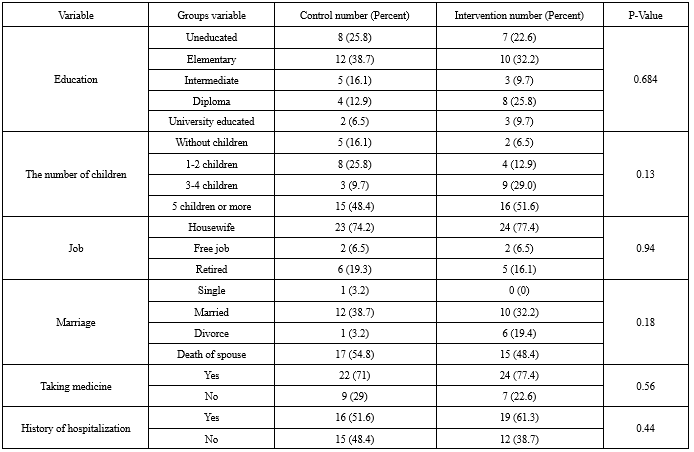 Table 2. Happiness scores of elderly women in both the intervention and control groups before and after participating in the group water walk at the Jahandidegan center  *: IQR: Interquartile Range, **: Mann-whiney U Test. +: Standard Deviation, ++: Independent T-Test. Table 3. Mean, standard deviation, and median (IQR) of happiness scores for elderly women in the two intervention and control groups before and after participating in water walking  ** Interquartile range. ⁺ Paired t-test. ⁺⁺ Wilcoxon test. |
Discussion
The study showed that group water walking had a positive impact on the happiness level of elderly women. In explaining this result, it can be said that exercise has numerous physical, psychological, and functional effects that contribute to increasing an individual's happiness. Sran et al. (2021) showed that there is a strong relationship between subjective well-being and physical activity. They also indicated that active people experience higher levels of happiness and self-esteem compared to beginners and inactive individuals (26). Aligned with the present study, Taleghani et al. (2016) demonstrated that a Pilates exercise intervention for elderly women resulted in significantly increased mean happiness and decreased depression scores among participants in the intervention groups after one and two months, compared to the control group (5). Skurvydas et al. (2024) revealed that physical activity improves happiness and reduces perceived stress in both women and men (27). A systematic review and meta-analysis revealed that individuals who underwent aquatic exercise interventions experienced a statistically significant reduction in symptoms of mental disorders compared to their pre-treatment levels (28). Kareri et al (2022) stated that exercise helps increase an individual's happiness by releasing endorphins, which create pleasant feelings and reducing cortisol levels, a hormone secreted in the blood during nervous stress (29). The perceived anxiety levels in aging aqua walking exercisers were significantly reduced compared to younger populations (14). A comparison of happiness levels between two groups of elderly individuals, one active and the other inactive, revealed that the overall level is higher among the active elderly group than the inactive group (30). Najafzadeh et al. (2024) reported that the level of engagement in physical activity was below average and that physical activity had a significant correlation with psychological well-being (31).
An aspect of the study involved engaging elderly individuals in group walks, where the benefits of both walking and social interaction were combined. The elderly requires social connections and conversation, which were facilitated through group walks in the study. Anbari et al. (2012) examined group walking programs to identify the mental, emotional, and social well-being benefits of participating in group walks. They found that group walks in nature were associated with significantly lower levels of depression, perceived stress, and negative affect, as well as enhanced positive affect and mental well-being (32). Lee et al. (2023), in a study on different levels of leisure walking among older adults with mild cognitive impairment, indicated that older adults with mild cognitive impairment gained more mental health benefits and life satisfaction through moderate and vigorous leisure walking than through light leisure walking (33). Yamashita et al. (2024) suggested that walking was beneficial in improving overall physical activity, regardless of whether individuals engaged in small community walking or walked alone. Furthermore, small community walking interventions may effectively enhance well-being (34). Quirk et al. (2021) indicated that participation in community-based running and walking increased happiness and mental health (35).
Shobeiri et al. (2016) also examined the impact of aerobic exercise on women's happiness, and their findings were consistent with those of the present study (36). However, the results of this study are not consistent with the study by Anbari et al. (2012) titled “The effect of eight weeks of general exercise on the physical fitness and general health of male employees.” Their findings did not demonstrate a significant relationship between exercise and general health (32). The discrepancy may be attributed to differences in the gender composition of the study samples.
Conclusion
The study demonstrated that a consistent water walking program is effective in boosting the happiness of elderly women. Therefore, it is recommended that regular water walking be utilized as a beneficial and supplementary approach - as a non-pharmacological and low-risk intervention - in conjunction with other conventional treatments to enhance happiness. Given the growing elderly population and their physical and psychological challenges, along with the benefits and features of water walking, and in light of the findings of this study, group water walking is proposed as a recommended physical activity for the elderly to elevate their happiness levels.
The researcher addressed some limitations by offering free pool tickets and shuttle services for the elderly. The completion of the questionnaires was self-reported, which was not within the researcher's control. Additionally, the high costs associated with the study were managed by covering them.
Acknowledgement
We would like to express our gratitude to all the respected elderly individuals who assisted the researchers in conducting this study, as well as the members of the board of directors of the Jahandidegan Center.
Funding sources
The present study was conducted at Golestan University of Medical Sciences, Nursing Research Center. The authors declare that no funds, grants, or other support were received during the preparation of this manuscript from other institutes.
Ethical statement
The manuscript was derived from the study as a master's thesis on elderly nursing in the Nursing Research Center of the Faculty of Nursing and Midwifery at Golestan University of Medical Sciences. The study received ethical approval from the Golestan University of Medical Sciences Research Ethics Committee under number IR.GOUMS.REC.1397.039. All participants gave informed consent for their participation. All authors agree to the publishing of the manuscript.
Conflicts of interest
The authors declare that there is no conflict of interests.
Author contributions
S. S.: Conceptualization, Methodology, Writing-Original draft, Project administration, and Data collection; G. R. M. S.: Methodology, Writing-Review and Editing, Visualization, and Supervision; M. T. B.: Methodology and Writing-Review; M. A. V.: Statistical analysis and Data interpretation.
Data availability statement
Data will be available if necessary.
Editorial: Original article |
Subject:
Nursing
Received: 2025/05/12 | Accepted: 2025/06/22 | Published: 2025/06/25
Received: 2025/05/12 | Accepted: 2025/06/22 | Published: 2025/06/25
References
1. Guo J, Huang X, Dou L, Yan M, Shen T, Tang W, et al. Aging and aging-related diseases: from molecular mechanisms to interventions and treatments. Signal Transduct Target Ther. 2022;7(1):391. [View at Publisher] [DOI] [PMID] [Google Scholar]
2. Zarchi MSZ, Nooripour R, HosseinzadehOskooei A, Afrooz GA. The Effects of Mindfulness-Based Training on Psychological Wellbeing and Emotion Regulation of Menopausal Women: A Quasi-experimental Study. J Research Health. 2020;10(5):295-304. [View at Publisher] [DOI] [Google Scholar]
3. Yoo J-H. The psychological effects of water-based exercise in older adults: An integrative review. Geriatr Nurs. 2020;41(6):717-23. [View at Publisher] [DOI] [PMID] [Google Scholar]
4. Wong MYC, Ou K-L, Chung PK, Chui KYK, Zhang C-Q. The relationship between physical activity, physical health, and mental health among older Chinese adults: A scoping review. Front Public Health. 2023;10:914548. [View at Publisher] [DOI] [PMID] [Google Scholar]
5. Taleghani E, Abdoli F, Ravari A, Saadatjoo SA. Comparison of the Effects of Morning and Evening Walks on Nighttime Sleep Quality Among Elderly People: A Randomized, Crossover, Clinical Trial. Mod Care J. 2016;13(4): e60210. [View at Publisher] [DOI] [Google Scholar]
6. Song J-A, Oh J-W. Effects of Aquatic Exercises for Patients with Osteoarthritis: Systematic Review with Meta-Analysis. Healthcare (Basel). 2022;10(3):560. [View at Publisher] [DOI] [PMID] [Google Scholar]
7. Singh S, Kshtriya S, Valk R. Health, Hope, and Harmony: A Systematic Review of the Determinants of Happiness across Cultures and Countries. Int J Environ Res Public Health. 2023;20(4):3306. [View at Publisher] [DOI] [PMID] [Google Scholar]
8. Shamsalizadeh N, Rouhana N, Pierce CS, Swain MA. Formation of Diverse Meanings of Menopause: An Integrative Literature Review. IJWHR Sci. 2023;11(2):45-57. [View at Publisher] [DOI] [Google Scholar]
9. Seyedjafari E, Sahebozamani M, Ebrahimipour E. Effect of Eight Weeks of Water Exercises on Deep Part of the Pool on the Static Balance of the Elderly Man. Salmand: Iranian Journal of Ageing. 2017;12(3):384-93. [View at Publisher] [DOI] [Google Scholar]
10. Rezaei S, Kheiri A, Esmaeili M, Mahmoudi A. Effect of Eight Weeks of Sports Exercises in Water on Sleep Disturbance and Alexithymia of Inactive Veterans. Iran J War Public Health. 2023;15(3):285-93. [View at Publisher] [DOI] [Google Scholar]
11. Melo RS, Cardeira CSF, Rezende DSA, Guimarães-do-Carmo VJ, Lemos A, de Moura-Filho AG. Effectiveness of the aquatic physical therapy exercises to improve balance, gait, quality of life and reduce fall-related outcomes in healthy community-dwelling older adults: A systematic review and meta-analysis. PloS one. 2023;18(9):e0291193. [View at Publisher] [DOI] [PMID] [Google Scholar]
12. Kazeminia M, Salari N, Vaisi-Raygani A, Jalali R, Abdi A, Mohammadi M. The effect of exercise on anxiety in the elderly worldwide: a systematic review and meta-analysis. Health Qual Life Outcomes. 2020;18(1):363. [View at Publisher] [DOI] [PMID] [Google Scholar]
13. Junça-Silva A, Silva D, Caetano A. How daily positive affect increases students' mental health, in mandatory quarantine, through daily engagement: the moderating role of self-leadership. Heliyon. 2022;8(12):e12477. [View at Publisher] [DOI] [PMID] [Google Scholar]
14. Galán-Arroyo C, Pereira-Payo D, Hernández-Mocholí MA, Merellano-Navarro E, Pérez-Gómez J, Rojo-Ramos J, et al. Depression and Exercise in Older Adults: Exercise Looks after You Program, User Profile. Healthcare (Basel). 2022;10(2):181. [View at Publisher] [DOI] [PMID] [Google Scholar]
15. Bailly M, Fillon A, Bonjean L, Lucas D, Kabani C, Chipon S, et al. Aqua Walking as an Appropriate and Healthy Winter and Summer Physical Practice? An Exploratory Study. Healthcare (Basel). 2022;10(7):1258. [View at Publisher] [DOI] [PMID] [Google Scholar]
16. Hojatollah M, Maddah SMB, Mahammadi F. The Effectiveness of Self-Care Training on Quality of Life Among Elderlies With Diabetes. ijrn. 2016;2(4):32-9. [View at Publisher] [DOI] [Google Scholar]
17. Carayannopoulos AG, Han A, Burdenko IN. The benefits of combining water and land-based therapy. JER. 2020;16(1):20-6. [View at Publisher] [DOI] [PMID] [Google Scholar]
18. Ghanbari S, Sadeghi H, Amini L, Haghani S. Comparing General Health and Happiness in Elderly Women With and Without a Spose Refrirng to Health Centers in Bandar Abbas, Iran, in 2018. IJN. 2022;34(133):40-53. [View at Publisher] [DOI] [Google Scholar]
19. Deng Y, Tang Z, Yang Z, Chai Q, Lu W, Cai Y, et al. Comparing the effects of aquatic-based exercise and land-based exercise on balance in older adults: a systematic review and meta-analysis. Eur Rev Aging Phys Act. 2024;21(1):13. [View at Publisher] [DOI] [PMID] [Google Scholar]
20. Motaharinezhad F, Madani P, Seyed S, Avaz KA, Rasolzadeh M. The Impact of the Six-Week Walking on the Elderly's Happiness and Mental Health. MEJRH. 2016;3(3):e60290. [View at Publisher] [DOI] [Google Scholar]
21. Sanders ME, Takeshima N, Rogers ME, Colado JC, Borreani S. Impact of the S.W.E.A.T.™ Water-Exercise Method on Activities of Daily Living for Older Women. J Sports Sci Med. 2013;12(4):707-15. [View at Publisher] [PMID] [Google Scholar]
22. Soleimani T, Nourbakhsh M, Alijani A. The effect of 12 weeks of aerobic and aquatic exercise on the quality of life and happiness of middle-aged non-athletic women. Movement Behavior and Sport Psychology. 2012;10(4);105-22. [View at Publisher] [Google Scholar]
23. Zhou W-S, Mao S-J, Zhang S-K, Xu H, Li W-L. Effects of aquatic exercises on physical fitness and quality of life in postmenopausal women: an updated systematic review and meta-analysis. Front Public Health. 2023:11:1126126. [View at Publisher] [DOI] [PMID] [Google Scholar]
24. Argyle M, Lu L. The psychology of happiness. London: Rutledge; 2001. [View at Publisher] [Google Scholar]
25. Noorbala A. Psychosocial health and strategies for improvement. Iran J Psychiatry Clin Psychol. 2011;17(2):151-6. [View at Publisher] [Google Scholar]
26. Sran SK, Vats P, Wadhawan P. Effect of exercise on life satisfaction and happiness. IJHW. 2021;12(1):79-82. [View at Publisher] [Google Scholar]
27. Skurvydas A, Istomina N, Dadeliene R, Majauskiene D, Strazdaite E, Lisinskiene A, et al. Leisure-time physical activity improves happiness, health, and mood profile better than work-related physical activity. PLoS ONE. 2024;19(7):e0307744. [View at Publisher] [DOI] [PMID] [Google Scholar]
28. Olivares PR, Hernández-Mocholí M, Merellano-Navarro E, Gusi N, Collado-Mateo D. Age Analysis on Fitness Reliability Tests in the Elderly Análisis De La Edad Sobre La Fiabilidad Depruebas Fitness En Mayores. Rev int med cienc act fís deporte. 2019;19(76):627-39. [View at Publisher] [DOI] [Google Scholar]
29. Kareri D, Manafe D, Sasputra IN. Exercise habits and cortisol level among women at a local Zumba club. Biomedicine. 2022;42(4):820-2. [View at Publisher] [DOI] [Google Scholar]
30. VaezMousavi M, Carneiro L, Shams A, Abbasi H, Dehkordi PS, Bayati M, et al. Age-related variations in physical activity, happiness, and psychological well-being: Evidence from Iran. PLoS ONE. 2025;20(1):e0314202. [View at Publisher] [DOI] [PMID] [Google Scholar]
31. Najafzadeh F, Ranjbari S, Shafaei H, Ghorbani S. Correlation between Participation in Physical Activity and Psychological Well-being among Elderly Women: The Mediating Role of Resilience. WHB. 2024;11(3):188-94. [View at Publisher] [DOI] [Google Scholar]
32. Anbari SH, Moghadasi M, Torkfar A, Rahimezadeh E, Khademi Y. The Effects of the Recommended Eight-weeks sports-for-all Program on Physical Fitness and General Health of Male Employees. Armaghane Danesh. 2012;17(1):40-9. [View at Publisher] [Google Scholar]
33. Lee J, Oh SM, Kim J, Kim J. Different Levels of Leisure Walking and Mental Health Among Older Adults With Mild Cognitive Impairment. J Aging Phys Act. 2023;31(5):841-8. [View at Publisher] [DOI] [PMID] [Google Scholar]
34. Yamashita R, Sato S, Sakai Y, Tamari K, Nozuhara A, Kanazawa T, et al. Effects of small community walking intervention on physical activity, well-being, and social capital among older patients with cardiovascular disease in the maintenance phase: a randomized controlled trial. J Phys Ther Sci. 2024;36(3):128-35. [View at Publisher] [DOI] [PMID] [Google Scholar]
35. Quirk, H, Bullas A, Haake S, Goyder E, Graney M, Wellington C, et al. Exploring the benefits of participation in community-based running and walking events: a cross-sectional survey of parkrun participants. BMC Public Health. 2021;21(1):1978. [View at Publisher] [DOI] [PMID] [Google Scholar]
36. Shobeiri F, Masoumi SZ, Nikravesh A, Moghadam RH, Karami M. The Impact of Aerobic Exercise on Quality of Life in Women with Breast Cancer: A Randomized Controlled Trial. J Res Health Sci. 2016;16(3):127–32. [View at Publisher] [PMID] [Google Scholar]
Send email to the article author
| Rights and permissions | |
 |
This work is licensed under a Creative Commons Attribution-NonCommercial 4.0 International License. |