Volume 13, Issue 4 (12-2025)
Jorjani Biomed J 2025, 13(4): 34-43 |
Back to browse issues page



Download citation:
BibTeX | RIS | EndNote | Medlars | ProCite | Reference Manager | RefWorks
Send citation to:


BibTeX | RIS | EndNote | Medlars | ProCite | Reference Manager | RefWorks
Send citation to:
Sharafi E, Ghahramani M, Ghahramani M. Concurrent training in women: Hormonal responses, adaptation interference, and health-based optimization strategies. Jorjani Biomed J 2025; 13 (4) :34-43
URL: http://goums.ac.ir/jorjanijournal/article-1-1104-en.html
URL: http://goums.ac.ir/jorjanijournal/article-1-1104-en.html


1- Department of Exercise Physiology, Ker.C., Islamic Azad University, Kermanshah, Iran
2- Department of Exercise Physiology, Ker.C., Islamic Azad University, Kermanshah, Iran ,mehran.physiology@gmail.com
3- Department of Physical Education, Technical and Vocational University (TVU), Tehran, Iran
2- Department of Exercise Physiology, Ker.C., Islamic Azad University, Kermanshah, Iran ,
3- Department of Physical Education, Technical and Vocational University (TVU), Tehran, Iran
Full-Text [PDF 723 kb]
(402 Downloads)
| Abstract (HTML) (3396 Views)
Discussion
This review synthesizes current evidence regarding concurrent training adaptations in women, focusing on hormonal responses, interference mechanisms, and optimization strategies. Overall, findings suggest that the female hormonal milieu may partially modulate concurrent training outcomes. Moderate-certainty evidence indicates a potential protective role of estrogen in attenuating muscle damage and preserving strength adaptations (1,2), whereas evidence regarding recovery during the luteal phase remains limited and inconsistent (6,7). Previous reviews on concurrent training have largely relied on male-dominant samples and have consistently reported the potential for interference effects, particularly when endurance exercise precedes resistance training (1,2,44,45). However, few earlier syntheses have specifically examined female populations (1,2,46,47). The present findings extend prior literature by suggesting that hormonal fluctuations unique to women may influence interference magnitude (6,7,13,16). While earlier models emphasized AMPK-mediated inhibition of mTOR signaling as a primary explanation for reduced hypertrophy (1,2,17), our synthesis indicates that such mechanisms may not fully translate to female physiology. This aligns with emerging research suggesting sex-based differences in anabolic sensitivity and muscle damage responses (1,2,16,17). Estrogen’s membrane-stabilizing and antioxidant properties may reduce muscle damage following concurrent training stimuli (1-3,16). Additionally, potential modulation of satellite cell activation and anabolic signaling pathways may attenuate classical interference mechanisms (1,2,17). However, direct molecular evidence in women remains scarce; therefore, mechanistic conclusions should be interpreted cautiously (1,2,16). Progesterone-related influences on thermoregulation and substrate metabolism may explain inconsistencies observed during the luteal phase (6,7,25). Elevated core temperature and altered glycogen utilization could modify fatigue and recovery kinetics, potentially affecting adaptation outcomes (1-3). Considerable heterogeneity was observed across studies. Differences in training status, caloric intake control, menstrual phase verification methods, and exercise sequencing protocols likely contributed to inconsistent findings (4,5,12,18,35). Importantly, many studies did not biochemically confirm menstrual phase, relying instead on calendar-based tracking, which may reduce internal validity (6,7,42). Furthermore, small sample sizes and short intervention durations limit confidence in long-term adaptation conclusions (5,24,38). Although definitive prescriptions cannot be established, evidence tentatively supports the following considerations: Resistance-first sequencing may attenuate interference magnitude (18,19,35) .Aligning high-intensity resistance sessions with the follicular phase may enhance anabolic responses (13,16,17).Individual variability and nutritional adequacy should be considered in program design (29-31). However, given the low to moderate certainty of evidence, practitioners should apply these strategies cautiously (47-52). Finally, practical strategies and optimization indicate that precise programming, control of intensity and volume, proper nutrition, and adequate recovery intervals can reduce interference effects (3,8,29-32,36). Recommendations include attention to exercise sequence, type of endurance exercise, menstrual cycle phase, and the needs of specific populations (1). Recent evidence suggests that resistance and concurrent training variables can substantially influence neuromuscular adaptations, power development, and athletic performance outcomes, particularly in female populations. Training strategies that emphasize agility development and neuromuscular coordination appear essential for optimizing explosive performance across different stages of physical development (51). Furthermore, manipulation of range of motion during explosive resistance training has been shown to significantly affect power-related adaptations in women, indicating that exercise execution characteristics may play an important role in maximizing performance outcomes (52). In female soccer players, concurrent power and endurance training has also demonstrated positive effects on explosive actions, supporting the effectiveness of integrated training approaches for enhancing sport-specific performance (53). In addition, resistance training programming variables such as proximity to muscular failure and training load appear to influence strength and hypertrophic adaptations. Although training to failure may not always provide superior benefits compared with non-failure approaches, both methods can effectively improve muscular strength and hypertrophy when appropriately programmed (54). Similarly, a wide spectrum of resistance training loads has been shown to promote muscular adaptations, suggesting that both moderate and heavy loads can be effective depending on training goals and individual characteristics (55). Overall, three key findings emerge from current evidence: first, well-designed concurrent training can effectively improve strength, endurance, and body composition in women; second, individual hormonal fluctuations and menstrual cycle phases critically influence training adaptations and should guide program design; and third, further rigorous, long-term studies with molecular measurements are needed to clarify mechanisms and confirm sustained benefits.
Conclusion
Concurrent training in women, when properly designed, can lead to significant improvements in strength, endurance, and body composition. The present review indicates that the interference effect appears to be less pronounced in women than in men, although it still exists and should be considered when designing programs. Hormonal fluctuations and individual differences play a major role in training responses, and taking the menstrual cycle into account can help optimize outcomes. Evidence suggests that performing resistance training before endurance exercise, providing sufficient time between sessions, periodizing training according to the menstrual cycle, and appropriately managing training volume and intensity are the most effective strategies to mitigate interference. However, many existing studies are limited by small sample sizes, protocol heterogeneity, lack of menstrual phase control, and limited molecular assessments. Based on the reviewed evidence, concurrent training can be a safe and effective approach for women, if scientific training design principles are followed. The findings of this study may provide practical guidance for coaches, researchers, and female athletes to design effective, individualized training programs aligned with hormonal patterns.
Given the findings of this review and current literature limitations, further rigorous and comprehensive studies are warranted. A key research need is long-term follow-up studies to examine the sustained effects of concurrent training on strength, endurance, body composition, and musculoskeletal and cardiovascular health in women over periods exceeding 12 weeks. Additionally, studies should implement stricter control over menstrual cycle and hormonal fluctuations, as different phases can affect training responses and related molecular pathways such as AMPK–mTOR. Future research should also investigate cellular and biomolecular markers, as well as anabolic and catabolic signaling pathways, to elucidate the precise mechanisms of concurrent training adaptations in women. Moreover, there is a need for individualized training program designs for women with different fitness levels and goals, determining the optimal exercise sequence, session spacing, and intensity and volume according to hormonal and physiological characteristics. Most existing studies have focused on young, healthy, or active women, while broader populations, including middle-aged, postpartum, overweight, and menopausal women are understudied. Expanding research to these groups would provide a more comprehensive understanding of concurrent training effects across a wider female population. Finally, the development of interdisciplinary studies integrating exercise physiology, nutrition, neuroscience, and mental health could offer a more holistic perspective on the effects of concurrent training. Investigating psychological, cognitive, and neurological outcomes of this training approach may inform the design of more comprehensive and effective programs for women.
Abbreviations
mTOR: Mechanistic Target of Rapamycin; mTORC1: Mechanistic Target of Rapamycin Complex 1; AMPK: AMP-activated protein Kinase; AMPK-mTOR: AMP-Activated Protein Kinase-Mechanistic Target of Rapamycin; HIIT: High Intensity Interval Training; CT: Concurrent Training; RCTs: Randomized Controlled Trials; NOS: Newcastle-Ottawa Scale; ROBINS-I: Risk Of Bias In Non-randomized Studies of Interventions; AMSTAR: A MeaSurement Tool to Assess Systematic Reviews; CONSORT: Consolidated Standards of Reporting Trials; STROBE: Strengthening the Reporting of Observational Studies in Epidemiology; EQUATOR: Enhancing the QUAlity and Transparency Of Health Research.
Acknowledgement
The authors sincerely thank all individuals who contributed to the execution of this study.
Funding sources
The financial resources for this research were provided by the authors.
Ethical statement
This study is a review article and did not involve any new experiments on human or animal subjects.
Conflicts of interest
This research was conducted independently, and no conflict of interest is reported.
Author contributions
ESH and MGH: Conceptualization, Data analysis and Interpretation, Summarization of results, Initial manuscript drafting. ESH and MGH and MGH: Conceptualization, Data interpretation, Content review, and Manuscript revision. All authors have read and approved the final version of the manuscript.
Data availability statement
This article is a systematic review, and extracted data from the included studies are accessible through reputable databases.
Use of artificial intelligence
No generative AI tools were used in the writing, analysis, or preparation of this manuscript.
Full-Text: (35 Views)
Introduction
Concurrent training (CT), defined as the simultaneous integration of resistance and endurance exercises within a single training program, has emerged in recent decades as a widely used strategy to enhance multiple components of physical fitness, improve body composition, and promote overall health (1,2). Unlike single-mode training programs that focus exclusively on maximal strength or high levels of endurance, many sports require athletes to develop a combination of both capacities. Consequently, CT is recommended to simultaneously optimize strength and endurance adaptations, providing athletes with functional performance improvements applicable across a wide range of disciplines (1,2). While the literature on CT is extensive, the vast majority of studies have been conducted in male populations, and only a limited number have addressed female-specific physiological factors that may influence training responses, such as hormonal fluctuations across the menstrual cycle, menstrual dysfunction, or the use of hormonal contraceptives (1,3). These factors can influence both acute exercise responses and long-term adaptations, highlighting the importance of sex-specific investigations when designing CT programs for women (1,3). The concept of the “interference effect,” initially described by Hickson, refers to the attenuation of strength and hypertrophy adaptations that occurs when resistance and endurance exercises are performed concurrently (4,5). Mechanistically, this phenomenon has been attributed to interactions among molecular signaling pathways, differential energy demands, and acute or chronic neuromuscular fatigue (4,6). In women, these interactions may be further modulated by hormonal status. Estrogen, for instance, is thought to exert protective effects on skeletal muscle by enhancing recovery, reducing exercise-induced muscle damage, and supporting satellite cell activity, which is critical for muscle repair and hypertrophy (7-10). Additionally, the luteal phase of the menstrual cycle may influence energy metabolism, recovery rates, and susceptibility to fatigue, potentially affecting the magnitude of adaptations achieved through CT (7-10). These hormonal mechanisms may partly explain why CT-induced interference appears less pronounced in women compared to men (2,5,7). Despite these insights, empirical evidence directly investigating sex-specific hormonal modulation of CT adaptations remains limited, and further research is needed to clarify these relationships. A systematic review of CT studies conducted in healthy adult women revealed that only a small fraction of trials included female participants aged 18-50 years with training interventions lasting at least eight weeks (1). These studies generally reported improvements in both strength- and endurance-related outcomes, alongside beneficial changes in body composition and blood lipid profiles. However, none of the included studies specifically examined the interference effect in women, and single-modality training groups were inconsistently included for comparison (1,2). Notably, critical performance variables such as rapid force production, which reflects the neuromuscular system’s ability to generate force quickly, were seldom assessed, and hormonal influences were rarely controlled or reported (1,3). This gap in knowledge limits the capacity to fully understand how female-specific factors modulate CT adaptations and underscores the need for more targeted research in women. Training variables, including exercise modality, volume, intensity, program duration, and session sequencing, are known to significantly influence both acute responses and long-term adaptations in CT (4,6,11). In female athletes, these variables interact with menstrual cycle phases, producing distinct muscular, metabolic, and neuromuscular adaptations. For example, resistance training performed during the follicular phase of the menstrual cycle may elicit greater acute anabolic signaling and muscle protein synthesis, whereas training during the luteal phase may alter substrate utilization, enhance fatigue resistance, and influence recovery dynamics (7-10). Recent studies employing menstrual cycle phase-based interval or sprint training protocols have demonstrated phase-specific differences in muscle protein signaling, neuromuscular adaptations, and endurance performance in trained female athletes, providing evidence for the physiological relevance of cycle-aware training (8,12-14). These findings highlight the importance of incorporating hormonal and menstrual considerations when designing CT programs for women to maximize both performance and adaptive outcomes. High-intensity endurance training, when combined with resistance training, has been shown to induce interference in neuromuscular adaptations, including maximal strength, rapid force production, and muscle hypertrophy, particularly in male athletes (4,5,15). In contrast, women often exhibit less interference, which may be attributed to estrogen-mediated protection against muscle damage, enhanced satellite cell proliferation, improved recovery kinetics, and modulation of inflammatory responses (7,9,10,16,17). Such sex-specific physiological characteristics may explain why the magnitude of the interference effect in women is frequently smaller or more inconsistent than in men. Understanding these underlying mechanisms is essential for optimizing CT program design, particularly regarding the sequencing of resistance and endurance exercises, selection of intensity and volume, and management of recovery periods (11-13,18,19). Research shows that exercise order can significantly influence neuromuscular outcomes during CT. Specifically, performing resistance training before endurance sessions has been associated with greater gains in lower-body strength, whereas reversing the order does not consistently impair endurance or strength outcomes (11,12,20,18-22). Additionally, high-intensity interval-type endurance training, compared to traditional moderate-intensity continuous exercise, may mitigate potential interference effects, further emphasizing the need to tailor CT variables according to the athlete’s sex, hormonal status, and performance goals (7,12,15). Moreover, individual responses to CT may vary according to training status, with untrained or recreationally active women showing different adaptation profiles compared to elite or high-level athletes (2,5,23,24). Beyond performance improvements, CT offers a range of health benefits for women, including favorable modifications of cardiometabolic risk factors, improved body composition, enhanced blood pressure regulation, and positive changes in serum lipid profiles (13,25-28). These adaptations are particularly relevant in populations at risk for metabolic syndrome, obesity, or cardiovascular disease, where combined resistance and endurance training may provide superior benefits compared to single-modality interventions (8,20,23,26). Nevertheless, women with high-level athletic performance remain underrepresented in CT research, and interactions among exercise modality, intensity, volume, hormonal status, and potential interference effects are not fully elucidated (2,5,7,23,24). Addressing these gaps is critical for developing evidence-based CT prescriptions tailored to female athletes and non-athletic populations alike. Additional factors influencing CT adaptations in women include recovery strategies, sleep quality, nutritional intake, and the precise manipulation of training variables (29-31). Adequate protein consumption, particularly around training sessions, has been shown to support muscle hypertrophy and maintain lean body mass during energy-restricted periods, further enhancing CT benefits (31). Similarly, appropriate management of recovery, including sleep and periodization strategies, may optimize neuromuscular adaptations and attenuate potential interference effects (29,30,32). Collectively, these findings emphasize the multifactorial nature of CT adaptations in women, wherein biological sex, hormonal milieu, training program variables, and lifestyle factors converge to determine performance and health outcomes. Recent studies have expanded the investigation of CT into specific female populations, including breast cancer survivors and women with metabolic syndrome, demonstrating improvements in physical function, cardiometabolic health, and body composition (18,27,28,33-35). These studies also highlight that concurrent interventions may be more effective than single-mode training in promoting both functional and metabolic adaptations, suggesting that CT can be strategically applied beyond athletic populations (8,14,18,27,28,33-35). Moreover, molecular-level investigations have begun to elucidate how menstrual cycle phase and hormonal contraceptive use influence CT responses, revealing distinct patterns of mTORC1 signaling, insulin sensitivity, and proteomic adaptations during cycle-based training (7,14,16,17). Such mechanistic insights provide a scientific rationale for incorporating female-specific considerations in CT program design. In summary, while concurrent training represents a potent strategy to improve strength, endurance, and body composition, significant gaps remain in our understanding of sex-specific adaptations in women. Key questions include: under which conditions interference occurs, how hormonal fluctuations across the menstrual cycle and contraceptive use modulate responses, and which training variables optimize adaptation while minimizing interference (1-3,5-10,12-15,20,21,24). Addressing these questions requires an integrated approach that combines physiological, molecular, and applied perspectives to inform training prescriptions. Therefore, the present review aims to provide a comprehensive analysis of CT studies published between 2020 and 2025, focusing on three primary areas: 1) functional and body composition adaptations, 2) potential interference and sex-specific differences, and 3) the role of hormonal status, training order, and optimization strategies. By synthesizing current evidence, this review seeks to guide coaches, researchers, and female athletes in designing CT programs that maximize performance, enhance health, and consider the nuanced effects of hormonal and sex-specific factors on adaptation.
Methods
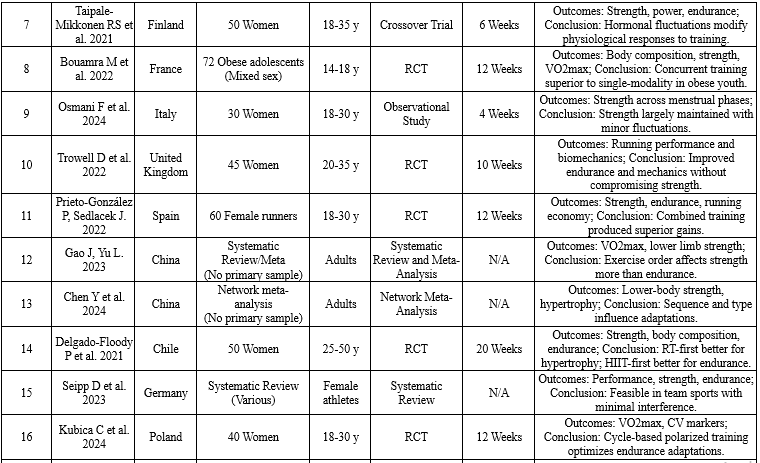
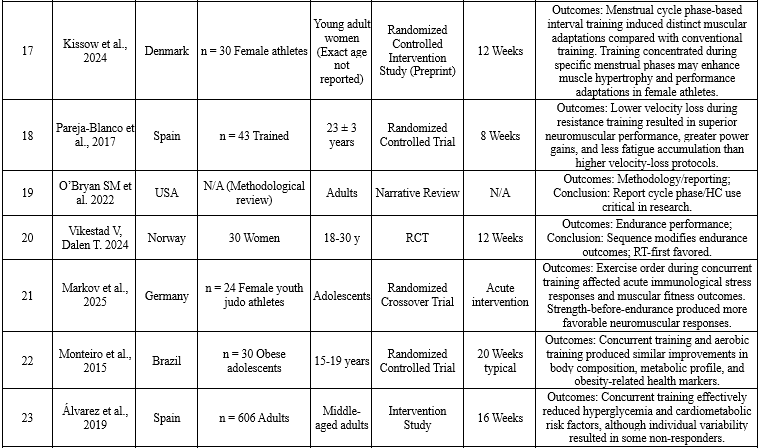
This study is a narrative review with a systematic structure, aimed at identifying, analyzing, and synthesizing scientific evidence on concurrent training in women, with a focus on hormonal effects, adaptation interference, and optimization strategies. The review was designed following the general principles of the PRISMA 2020 guidelines. However, a meta-analysis was not feasible due to heterogeneity in study designs and variables. Literature searches were conducted in the following databases: PubMed, Scopus, Web of Science, Science Direct, Google Scholar, Springer Link, Wiley Online Library, Frontiers in Physiology, Frontiers in Sports and Active Living, and MDPI (Sports, Biology, Nutrients, etc.). All articles published from January 2020 to January 2025 were considered to ensure the inclusion of the most recent scientific evidence regarding women. The last search was conducted on January 12, 2025. Search terms were used individually and in combination with the Boolean operators AND and OR. Examples of keywords included: concurrent training, combined training, resistance and endurance training, interference effect, hormonal fluctuations, concurrent exercise, menstrual cycle, female athletes, women, estrogen, progesterone, mTOR signaling, AMPK, recovery, adaptation, optimization strategies. Example combinations included concurrent training AND women, menstrual cycle AND resistance training, interference effect AND female athletes, hormonal regulation AND endurance training, AMPK AND mTOR AND concurrent exercise, female physiology AND training adaptations. A total of 352 records were identified across databases. After removing duplicates, 282 records remained. Titles and abstracts of these 282 articles were screened, and 90 were excluded because they lacked clear relevance. Full texts of the remaining 192 articles were assessed for eligibility. Of these, 137 were excluded for the following reasons: inappropriate population (Male-only studies or without female-specific analysis), absence of concurrent training intervention, publication before 2020, non-research nature, or lack of access to the full-text. In particular, 12 articles were excluded because their full texts were unavailable through institutional subscriptions, and attempts to obtain them via author contact or interlibrary loan were unsuccessful. Ultimately, 55 studies met the inclusion criteria and were included in the narrative synthesis (Figure 1). Additionally, information about these 55 articles is listed in Table 1. The inclusion criteria were: studies published between January 2020 and January 2025; female participants aged 18-70 years (Athletes or inactive) or mixed-gender studies that reported female outcomes separately; concurrent training interventions (Structured combination of resistance and endurance training within a training period) or studies that directly investigated interference in resistance-endurance training in women; study designs including randomized controlled trials (RCTs), non-randomized controlled trials, interventional studies, relevant observational studies, systematic reviews, and meta-analyses on concurrent training in women. Reported outcomes included at least one of the following: strength and muscle hypertrophy, endurance and maximal oxygen uptake (VO₂max), body composition and metabolic indicators, hormonal variables and menstrual cycle phase, molecular markers, adaptation interference indicators, and training optimization strategies. Exclusion criteria were: male-only or animal studies, mixed-gender studies without separate reporting of female outcomes, publications prior to 2020, non-research articles (Editorials, letters, opinions, protocols, expert commentary, conference abstracts without full data), studies not assessing concurrent training interventions or outcomes related to interference and hormonal interactions, and studies with very low methodological quality based on initial assessments using RoB 2, ROBINS‑I, NOS, or AMSTAR 2 (High risk of bias in multiple key domains). Data were extracted independently by two researchers. Extracted information included study population (Age, training status, menstrual cycle status), intervention type (Resistance, endurance, concurrent), training intensity, volume, and sequence, menstrual cycle phase or hormone levels, outcomes (Strength, hypertrophy, endurance, recovery, molecular markers), factors related to adaptation interference, and proposed strategies. Discrepancies between researchers were resolved through discussion or consultation with a third researcher. This rigorous process ensured the completeness and accuracy of data included in tables and subsequent analyses. The quality of the included studies was assessed using validated, study-specific tools. For RCTs, the RoB 2 tool was applied, covering five domains: randomization process, deviations from intended interventions, missing outcome data, outcome measurement, and selective reporting. Non-randomized interventional studies were evaluated using ROBINS-I, covering seven domains of bias. Observational studies (Cross-sectional, cohort, or case-control) were assessed using the Newcastle-Ottawa Scale (NOS) across three domains: selection, comparability, and outcome/exposure assessment. Systematic reviews and meta-analyses were assessed using AMSTAR 2. Two independent reviewers scored all studies, and disagreements were resolved through consultation with a third reviewer. Assessment results were presented in a table. Overall, most RCTs were rated as low risk of bias in randomization and outcome measurement domains, although some had "some concerns" regarding selective reporting. Most observational studies scored between 6 and 8 out of 9 on NOS, indicating moderate to high quality. Non-randomized interventional studies were mainly rated "low" to "moderate" risk of bias using ROBINS-I. Systematic reviews were deemed acceptable according to AMSTAR 2. The certainty of evidence was assessed using the GRADE framework, which is appropriate for narrative synthesis without meta-analysis. In GRADE, RCTs start as high-certainty evidence and observational studies as low-certainty, then adjusted based on five domains: risk of bias, inconsistency, indirectness, imprecision, and publication bias. Given that most included RCTs had low to moderate risk of bias, but significant heterogeneity existed in populations (Training status, age), interventions (Order, intensity, endurance type: high-intensity interval vs. continuous), and outcome measurement methods, the overall certainty was rated as moderate for lower-body strength and VO₂max outcomes, low-to-moderate for hormonal and molecular outcomes, and low for long-term interference effects and menstrual cycle-based periodization. Therefore, recommendations from this review should be considered sex-specific but viewed as provisional, pending confirmation through high-quality RCTs with standardized reporting of hormonal status. Reporting quality was assessed using EQUATOR-based checklists depending on study design. RCTs were assessed using the 25-item CONSORT checklist, covering study design, randomization, blinding, participant flow, and data analysis. Observational studies were evaluated using the 22-item STROBE checklist, covering title, abstract, background, methods, results, and interpretation. Systematic reviews and meta-analyses were evaluated according to PRISMA 2020. Overall, reporting quality was satisfactory: most RCTs fully reported key CONSORT items including intervention details and participant flow, while most observational studies addressed at least 18 of 22 STROBE items. Minor omissions mostly involved potential bias and handling of missing data. Among the 55 final studies, variables such as study population, training type, intensity, volume, concurrent training type, hormonal status, and outcomes were examined. Populations included healthy young women, recreationally active women, and athletes. Training types included resistance, endurance, or a combination. Exercise intensity was generally high, with moderate volume of 3-5 sessions per week over 4-12 weeks. Concurrent training protocols included resistance-before-endurance or vice versa, as well as various sequencing models. Hormonal status included estradiol, estrogen, and progesterone, while outcomes evaluated included strength and endurance adaptations, performance, body composition, and training load management. Proposed strategies for optimizing training programs were also presented. Most studies indicated that training order and inter-session interval length could reduce interference effects and optimize hormonal responses. For the purpose of analysis, studies were categorized into three main groups: 1) studies on physiology and hormones (18 articles) examining estrogen and progesterone effects on training responses and the influence of menstrual cycle phase on AMPK-mTOR signaling, recovery, and substrate utilization; 2) studies on concurrent training and interference (24 articles) comparing strength, endurance, and hypertrophy outcomes in concurrent versus single-mode training, assessing training sequence (Resistance before endurance and vice versa), and identifying conditions that mitigate interference; 3) studies on optimization strategies (13 articles) addressing session spacing and intensity, menstrual cycle-based periodization, training volume management, and prioritization of strength or endurance goals. Due to substantial heterogeneity in study design, hormonal assessment methods, participant training status, and outcome measures, a meta-analysis was not conducted. Therefore, a structured narrative synthesis was conducted. Findings were organized into three predefined domains aligned with the objectives of this review: Hormonal responses to concurrent training, Mechanisms underlying interference effects, Optimization strategies in women, within each domain, results were compared, contrasted, and synthesized to identify consistent patterns, discrepancies, and research gaps.
Concurrent training (CT), defined as the simultaneous integration of resistance and endurance exercises within a single training program, has emerged in recent decades as a widely used strategy to enhance multiple components of physical fitness, improve body composition, and promote overall health (1,2). Unlike single-mode training programs that focus exclusively on maximal strength or high levels of endurance, many sports require athletes to develop a combination of both capacities. Consequently, CT is recommended to simultaneously optimize strength and endurance adaptations, providing athletes with functional performance improvements applicable across a wide range of disciplines (1,2). While the literature on CT is extensive, the vast majority of studies have been conducted in male populations, and only a limited number have addressed female-specific physiological factors that may influence training responses, such as hormonal fluctuations across the menstrual cycle, menstrual dysfunction, or the use of hormonal contraceptives (1,3). These factors can influence both acute exercise responses and long-term adaptations, highlighting the importance of sex-specific investigations when designing CT programs for women (1,3). The concept of the “interference effect,” initially described by Hickson, refers to the attenuation of strength and hypertrophy adaptations that occurs when resistance and endurance exercises are performed concurrently (4,5). Mechanistically, this phenomenon has been attributed to interactions among molecular signaling pathways, differential energy demands, and acute or chronic neuromuscular fatigue (4,6). In women, these interactions may be further modulated by hormonal status. Estrogen, for instance, is thought to exert protective effects on skeletal muscle by enhancing recovery, reducing exercise-induced muscle damage, and supporting satellite cell activity, which is critical for muscle repair and hypertrophy (7-10). Additionally, the luteal phase of the menstrual cycle may influence energy metabolism, recovery rates, and susceptibility to fatigue, potentially affecting the magnitude of adaptations achieved through CT (7-10). These hormonal mechanisms may partly explain why CT-induced interference appears less pronounced in women compared to men (2,5,7). Despite these insights, empirical evidence directly investigating sex-specific hormonal modulation of CT adaptations remains limited, and further research is needed to clarify these relationships. A systematic review of CT studies conducted in healthy adult women revealed that only a small fraction of trials included female participants aged 18-50 years with training interventions lasting at least eight weeks (1). These studies generally reported improvements in both strength- and endurance-related outcomes, alongside beneficial changes in body composition and blood lipid profiles. However, none of the included studies specifically examined the interference effect in women, and single-modality training groups were inconsistently included for comparison (1,2). Notably, critical performance variables such as rapid force production, which reflects the neuromuscular system’s ability to generate force quickly, were seldom assessed, and hormonal influences were rarely controlled or reported (1,3). This gap in knowledge limits the capacity to fully understand how female-specific factors modulate CT adaptations and underscores the need for more targeted research in women. Training variables, including exercise modality, volume, intensity, program duration, and session sequencing, are known to significantly influence both acute responses and long-term adaptations in CT (4,6,11). In female athletes, these variables interact with menstrual cycle phases, producing distinct muscular, metabolic, and neuromuscular adaptations. For example, resistance training performed during the follicular phase of the menstrual cycle may elicit greater acute anabolic signaling and muscle protein synthesis, whereas training during the luteal phase may alter substrate utilization, enhance fatigue resistance, and influence recovery dynamics (7-10). Recent studies employing menstrual cycle phase-based interval or sprint training protocols have demonstrated phase-specific differences in muscle protein signaling, neuromuscular adaptations, and endurance performance in trained female athletes, providing evidence for the physiological relevance of cycle-aware training (8,12-14). These findings highlight the importance of incorporating hormonal and menstrual considerations when designing CT programs for women to maximize both performance and adaptive outcomes. High-intensity endurance training, when combined with resistance training, has been shown to induce interference in neuromuscular adaptations, including maximal strength, rapid force production, and muscle hypertrophy, particularly in male athletes (4,5,15). In contrast, women often exhibit less interference, which may be attributed to estrogen-mediated protection against muscle damage, enhanced satellite cell proliferation, improved recovery kinetics, and modulation of inflammatory responses (7,9,10,16,17). Such sex-specific physiological characteristics may explain why the magnitude of the interference effect in women is frequently smaller or more inconsistent than in men. Understanding these underlying mechanisms is essential for optimizing CT program design, particularly regarding the sequencing of resistance and endurance exercises, selection of intensity and volume, and management of recovery periods (11-13,18,19). Research shows that exercise order can significantly influence neuromuscular outcomes during CT. Specifically, performing resistance training before endurance sessions has been associated with greater gains in lower-body strength, whereas reversing the order does not consistently impair endurance or strength outcomes (11,12,20,18-22). Additionally, high-intensity interval-type endurance training, compared to traditional moderate-intensity continuous exercise, may mitigate potential interference effects, further emphasizing the need to tailor CT variables according to the athlete’s sex, hormonal status, and performance goals (7,12,15). Moreover, individual responses to CT may vary according to training status, with untrained or recreationally active women showing different adaptation profiles compared to elite or high-level athletes (2,5,23,24). Beyond performance improvements, CT offers a range of health benefits for women, including favorable modifications of cardiometabolic risk factors, improved body composition, enhanced blood pressure regulation, and positive changes in serum lipid profiles (13,25-28). These adaptations are particularly relevant in populations at risk for metabolic syndrome, obesity, or cardiovascular disease, where combined resistance and endurance training may provide superior benefits compared to single-modality interventions (8,20,23,26). Nevertheless, women with high-level athletic performance remain underrepresented in CT research, and interactions among exercise modality, intensity, volume, hormonal status, and potential interference effects are not fully elucidated (2,5,7,23,24). Addressing these gaps is critical for developing evidence-based CT prescriptions tailored to female athletes and non-athletic populations alike. Additional factors influencing CT adaptations in women include recovery strategies, sleep quality, nutritional intake, and the precise manipulation of training variables (29-31). Adequate protein consumption, particularly around training sessions, has been shown to support muscle hypertrophy and maintain lean body mass during energy-restricted periods, further enhancing CT benefits (31). Similarly, appropriate management of recovery, including sleep and periodization strategies, may optimize neuromuscular adaptations and attenuate potential interference effects (29,30,32). Collectively, these findings emphasize the multifactorial nature of CT adaptations in women, wherein biological sex, hormonal milieu, training program variables, and lifestyle factors converge to determine performance and health outcomes. Recent studies have expanded the investigation of CT into specific female populations, including breast cancer survivors and women with metabolic syndrome, demonstrating improvements in physical function, cardiometabolic health, and body composition (18,27,28,33-35). These studies also highlight that concurrent interventions may be more effective than single-mode training in promoting both functional and metabolic adaptations, suggesting that CT can be strategically applied beyond athletic populations (8,14,18,27,28,33-35). Moreover, molecular-level investigations have begun to elucidate how menstrual cycle phase and hormonal contraceptive use influence CT responses, revealing distinct patterns of mTORC1 signaling, insulin sensitivity, and proteomic adaptations during cycle-based training (7,14,16,17). Such mechanistic insights provide a scientific rationale for incorporating female-specific considerations in CT program design. In summary, while concurrent training represents a potent strategy to improve strength, endurance, and body composition, significant gaps remain in our understanding of sex-specific adaptations in women. Key questions include: under which conditions interference occurs, how hormonal fluctuations across the menstrual cycle and contraceptive use modulate responses, and which training variables optimize adaptation while minimizing interference (1-3,5-10,12-15,20,21,24). Addressing these questions requires an integrated approach that combines physiological, molecular, and applied perspectives to inform training prescriptions. Therefore, the present review aims to provide a comprehensive analysis of CT studies published between 2020 and 2025, focusing on three primary areas: 1) functional and body composition adaptations, 2) potential interference and sex-specific differences, and 3) the role of hormonal status, training order, and optimization strategies. By synthesizing current evidence, this review seeks to guide coaches, researchers, and female athletes in designing CT programs that maximize performance, enhance health, and consider the nuanced effects of hormonal and sex-specific factors on adaptation.
Methods
This study is a narrative review with a systematic structure, aimed at identifying, analyzing, and synthesizing scientific evidence on concurrent training in women, with a focus on hormonal effects, adaptation interference, and optimization strategies. The review was designed following the general principles of the PRISMA 2020 guidelines. However, a meta-analysis was not feasible due to heterogeneity in study designs and variables. Literature searches were conducted in the following databases: PubMed, Scopus, Web of Science, Science Direct, Google Scholar, Springer Link, Wiley Online Library, Frontiers in Physiology, Frontiers in Sports and Active Living, and MDPI (Sports, Biology, Nutrients, etc.). All articles published from January 2020 to January 2025 were considered to ensure the inclusion of the most recent scientific evidence regarding women. The last search was conducted on January 12, 2025. Search terms were used individually and in combination with the Boolean operators AND and OR. Examples of keywords included: concurrent training, combined training, resistance and endurance training, interference effect, hormonal fluctuations, concurrent exercise, menstrual cycle, female athletes, women, estrogen, progesterone, mTOR signaling, AMPK, recovery, adaptation, optimization strategies. Example combinations included concurrent training AND women, menstrual cycle AND resistance training, interference effect AND female athletes, hormonal regulation AND endurance training, AMPK AND mTOR AND concurrent exercise, female physiology AND training adaptations. A total of 352 records were identified across databases. After removing duplicates, 282 records remained. Titles and abstracts of these 282 articles were screened, and 90 were excluded because they lacked clear relevance. Full texts of the remaining 192 articles were assessed for eligibility. Of these, 137 were excluded for the following reasons: inappropriate population (Male-only studies or without female-specific analysis), absence of concurrent training intervention, publication before 2020, non-research nature, or lack of access to the full-text. In particular, 12 articles were excluded because their full texts were unavailable through institutional subscriptions, and attempts to obtain them via author contact or interlibrary loan were unsuccessful. Ultimately, 55 studies met the inclusion criteria and were included in the narrative synthesis (Figure 1). Additionally, information about these 55 articles is listed in Table 1. The inclusion criteria were: studies published between January 2020 and January 2025; female participants aged 18-70 years (Athletes or inactive) or mixed-gender studies that reported female outcomes separately; concurrent training interventions (Structured combination of resistance and endurance training within a training period) or studies that directly investigated interference in resistance-endurance training in women; study designs including randomized controlled trials (RCTs), non-randomized controlled trials, interventional studies, relevant observational studies, systematic reviews, and meta-analyses on concurrent training in women. Reported outcomes included at least one of the following: strength and muscle hypertrophy, endurance and maximal oxygen uptake (VO₂max), body composition and metabolic indicators, hormonal variables and menstrual cycle phase, molecular markers, adaptation interference indicators, and training optimization strategies. Exclusion criteria were: male-only or animal studies, mixed-gender studies without separate reporting of female outcomes, publications prior to 2020, non-research articles (Editorials, letters, opinions, protocols, expert commentary, conference abstracts without full data), studies not assessing concurrent training interventions or outcomes related to interference and hormonal interactions, and studies with very low methodological quality based on initial assessments using RoB 2, ROBINS‑I, NOS, or AMSTAR 2 (High risk of bias in multiple key domains). Data were extracted independently by two researchers. Extracted information included study population (Age, training status, menstrual cycle status), intervention type (Resistance, endurance, concurrent), training intensity, volume, and sequence, menstrual cycle phase or hormone levels, outcomes (Strength, hypertrophy, endurance, recovery, molecular markers), factors related to adaptation interference, and proposed strategies. Discrepancies between researchers were resolved through discussion or consultation with a third researcher. This rigorous process ensured the completeness and accuracy of data included in tables and subsequent analyses. The quality of the included studies was assessed using validated, study-specific tools. For RCTs, the RoB 2 tool was applied, covering five domains: randomization process, deviations from intended interventions, missing outcome data, outcome measurement, and selective reporting. Non-randomized interventional studies were evaluated using ROBINS-I, covering seven domains of bias. Observational studies (Cross-sectional, cohort, or case-control) were assessed using the Newcastle-Ottawa Scale (NOS) across three domains: selection, comparability, and outcome/exposure assessment. Systematic reviews and meta-analyses were assessed using AMSTAR 2. Two independent reviewers scored all studies, and disagreements were resolved through consultation with a third reviewer. Assessment results were presented in a table. Overall, most RCTs were rated as low risk of bias in randomization and outcome measurement domains, although some had "some concerns" regarding selective reporting. Most observational studies scored between 6 and 8 out of 9 on NOS, indicating moderate to high quality. Non-randomized interventional studies were mainly rated "low" to "moderate" risk of bias using ROBINS-I. Systematic reviews were deemed acceptable according to AMSTAR 2. The certainty of evidence was assessed using the GRADE framework, which is appropriate for narrative synthesis without meta-analysis. In GRADE, RCTs start as high-certainty evidence and observational studies as low-certainty, then adjusted based on five domains: risk of bias, inconsistency, indirectness, imprecision, and publication bias. Given that most included RCTs had low to moderate risk of bias, but significant heterogeneity existed in populations (Training status, age), interventions (Order, intensity, endurance type: high-intensity interval vs. continuous), and outcome measurement methods, the overall certainty was rated as moderate for lower-body strength and VO₂max outcomes, low-to-moderate for hormonal and molecular outcomes, and low for long-term interference effects and menstrual cycle-based periodization. Therefore, recommendations from this review should be considered sex-specific but viewed as provisional, pending confirmation through high-quality RCTs with standardized reporting of hormonal status. Reporting quality was assessed using EQUATOR-based checklists depending on study design. RCTs were assessed using the 25-item CONSORT checklist, covering study design, randomization, blinding, participant flow, and data analysis. Observational studies were evaluated using the 22-item STROBE checklist, covering title, abstract, background, methods, results, and interpretation. Systematic reviews and meta-analyses were evaluated according to PRISMA 2020. Overall, reporting quality was satisfactory: most RCTs fully reported key CONSORT items including intervention details and participant flow, while most observational studies addressed at least 18 of 22 STROBE items. Minor omissions mostly involved potential bias and handling of missing data. Among the 55 final studies, variables such as study population, training type, intensity, volume, concurrent training type, hormonal status, and outcomes were examined. Populations included healthy young women, recreationally active women, and athletes. Training types included resistance, endurance, or a combination. Exercise intensity was generally high, with moderate volume of 3-5 sessions per week over 4-12 weeks. Concurrent training protocols included resistance-before-endurance or vice versa, as well as various sequencing models. Hormonal status included estradiol, estrogen, and progesterone, while outcomes evaluated included strength and endurance adaptations, performance, body composition, and training load management. Proposed strategies for optimizing training programs were also presented. Most studies indicated that training order and inter-session interval length could reduce interference effects and optimize hormonal responses. For the purpose of analysis, studies were categorized into three main groups: 1) studies on physiology and hormones (18 articles) examining estrogen and progesterone effects on training responses and the influence of menstrual cycle phase on AMPK-mTOR signaling, recovery, and substrate utilization; 2) studies on concurrent training and interference (24 articles) comparing strength, endurance, and hypertrophy outcomes in concurrent versus single-mode training, assessing training sequence (Resistance before endurance and vice versa), and identifying conditions that mitigate interference; 3) studies on optimization strategies (13 articles) addressing session spacing and intensity, menstrual cycle-based periodization, training volume management, and prioritization of strength or endurance goals. Due to substantial heterogeneity in study design, hormonal assessment methods, participant training status, and outcome measures, a meta-analysis was not conducted. Therefore, a structured narrative synthesis was conducted. Findings were organized into three predefined domains aligned with the objectives of this review: Hormonal responses to concurrent training, Mechanisms underlying interference effects, Optimization strategies in women, within each domain, results were compared, contrasted, and synthesized to identify consistent patterns, discrepancies, and research gaps.
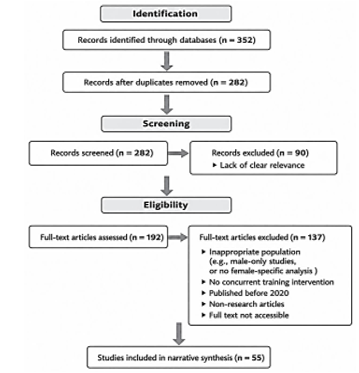 Figure 1. Flow diagram of study identification, screening, eligibility, and inclusion |
Results
Published studies from 2020 to 2025 consistently demonstrate that concurrent training, defined as the integration of resistance and endurance exercises within a single program, leads to significant improvements in muscular strength, aerobic capacity, and body composition in women. High-certainty evidence indicates that lower-body strength and muscle hypertrophy are significantly enhanced following ≥8 weeks of concurrent training in healthy adult women (1,2,15), while interference effects commonly observed in men are attenuated in women, particularly for lower-body strength, with upper-body strength and power generally preserved (2,5,36). Exercise sequence markedly influences strength adaptations; performing resistance exercises before endurance training maximizes lower-body strength gains, whereas the reverse order may attenuate these effects (6,12,18,19). Intervention studies in recreational and professional populations further suggest that careful management of exercise order, intensity, and recovery are essential to optimize neuromuscular adaptations and minimize fatigue (18,24,35,37). Moderate-certainty evidence supports the effectiveness of concurrent training in older, inactive women, with significant gains in strength and endurance observed without loss of muscle mass (38).
Regarding aerobic performance, high-certainty evidence demonstrates that concurrent training consistently enhances VO₂max and endurance across diverse female populations, including recreational exercisers and overweight individuals (1,2,7,8,39,40). Incorporating high-intensity interval training (HIIT) with resistance exercise elicits simultaneous improvements in strength and aerobic capacity, even in women with obesity or those at elevated metabolic risk (4,8,27,28). Exercise sequence and alignment with menstrual cycle phases can further optimize VO₂max responses (6,12,22,25). In elite endurance athletes, high-intensity and high-volume concurrent protocols require precise monitoring to prevent chronic fatigue and performance decline, supported by moderate-certainty evidence emphasizing individualized program design (24). Collectively, these findings indicate that concurrent training enhances aerobic performance while minimizing interference when intensity, sequencing, and recovery are carefully controlled. Concurrent training also elicits favorable changes in body composition and cardiometabolic health. High-certainty evidence demonstrates reductions in body fat, improved muscle-to-fat ratio, and positive changes in metabolic markers in women across age groups and fitness levels (1,3,4,7,8,10,23,26-28,39,40). Moderate-certainty evidence further supports the superior efficacy of combined resistance and HIIT protocols over single-mode training in improving these indices (8,27,28). Hormonal fluctuations throughout the menstrual cycle and the use of hormonal contraceptives modulate strength, endurance, and recovery responses. Moderate-certainty studies report that women experience different levels of fatigue and exercise capacity depending on cycle phase, with AMPK-mTOR and other molecular pathways mediating phase-specific adaptations (4-7,9,13,14,16,17,41-43). These mechanistic insights help explain the reduced interference effect in women and underscore the need for individualized program design based on hormonal status. Proper management of nutrition, recovery, and training load further mitigates interference and optimizes concurrent training outcomes (3,8,29-32,36). Overall, the current evidence indicates that concurrent training effectively improves muscular strength, aerobic capacity, and body composition in women. High-certainty evidence supports gains in lower-body strength, VO₂max, and reductions in body fat, while moderate-certainty evidence highlights the importance of exercise sequence, intensity control, recovery strategies, and hormonal considerations. These findings provide clear guidance for designing sex-specific concurrent training programs and highlight the practical importance of individualized programming to maximize functional and health-related adaptations in women.
Published studies from 2020 to 2025 consistently demonstrate that concurrent training, defined as the integration of resistance and endurance exercises within a single program, leads to significant improvements in muscular strength, aerobic capacity, and body composition in women. High-certainty evidence indicates that lower-body strength and muscle hypertrophy are significantly enhanced following ≥8 weeks of concurrent training in healthy adult women (1,2,15), while interference effects commonly observed in men are attenuated in women, particularly for lower-body strength, with upper-body strength and power generally preserved (2,5,36). Exercise sequence markedly influences strength adaptations; performing resistance exercises before endurance training maximizes lower-body strength gains, whereas the reverse order may attenuate these effects (6,12,18,19). Intervention studies in recreational and professional populations further suggest that careful management of exercise order, intensity, and recovery are essential to optimize neuromuscular adaptations and minimize fatigue (18,24,35,37). Moderate-certainty evidence supports the effectiveness of concurrent training in older, inactive women, with significant gains in strength and endurance observed without loss of muscle mass (38).
Regarding aerobic performance, high-certainty evidence demonstrates that concurrent training consistently enhances VO₂max and endurance across diverse female populations, including recreational exercisers and overweight individuals (1,2,7,8,39,40). Incorporating high-intensity interval training (HIIT) with resistance exercise elicits simultaneous improvements in strength and aerobic capacity, even in women with obesity or those at elevated metabolic risk (4,8,27,28). Exercise sequence and alignment with menstrual cycle phases can further optimize VO₂max responses (6,12,22,25). In elite endurance athletes, high-intensity and high-volume concurrent protocols require precise monitoring to prevent chronic fatigue and performance decline, supported by moderate-certainty evidence emphasizing individualized program design (24). Collectively, these findings indicate that concurrent training enhances aerobic performance while minimizing interference when intensity, sequencing, and recovery are carefully controlled. Concurrent training also elicits favorable changes in body composition and cardiometabolic health. High-certainty evidence demonstrates reductions in body fat, improved muscle-to-fat ratio, and positive changes in metabolic markers in women across age groups and fitness levels (1,3,4,7,8,10,23,26-28,39,40). Moderate-certainty evidence further supports the superior efficacy of combined resistance and HIIT protocols over single-mode training in improving these indices (8,27,28). Hormonal fluctuations throughout the menstrual cycle and the use of hormonal contraceptives modulate strength, endurance, and recovery responses. Moderate-certainty studies report that women experience different levels of fatigue and exercise capacity depending on cycle phase, with AMPK-mTOR and other molecular pathways mediating phase-specific adaptations (4-7,9,13,14,16,17,41-43). These mechanistic insights help explain the reduced interference effect in women and underscore the need for individualized program design based on hormonal status. Proper management of nutrition, recovery, and training load further mitigates interference and optimizes concurrent training outcomes (3,8,29-32,36). Overall, the current evidence indicates that concurrent training effectively improves muscular strength, aerobic capacity, and body composition in women. High-certainty evidence supports gains in lower-body strength, VO₂max, and reductions in body fat, while moderate-certainty evidence highlights the importance of exercise sequence, intensity control, recovery strategies, and hormonal considerations. These findings provide clear guidance for designing sex-specific concurrent training programs and highlight the practical importance of individualized programming to maximize functional and health-related adaptations in women.
|
Table 1. Studies reviewed in the present study
 |
|
Table 1 (Continued)
  .PNG) |
|
Table 1 (Continued)
.PNG) .PNG) .PNG) |
|
Table 1 (Continued)
.PNG) .PNG) |
Discussion
This review synthesizes current evidence regarding concurrent training adaptations in women, focusing on hormonal responses, interference mechanisms, and optimization strategies. Overall, findings suggest that the female hormonal milieu may partially modulate concurrent training outcomes. Moderate-certainty evidence indicates a potential protective role of estrogen in attenuating muscle damage and preserving strength adaptations (1,2), whereas evidence regarding recovery during the luteal phase remains limited and inconsistent (6,7). Previous reviews on concurrent training have largely relied on male-dominant samples and have consistently reported the potential for interference effects, particularly when endurance exercise precedes resistance training (1,2,44,45). However, few earlier syntheses have specifically examined female populations (1,2,46,47). The present findings extend prior literature by suggesting that hormonal fluctuations unique to women may influence interference magnitude (6,7,13,16). While earlier models emphasized AMPK-mediated inhibition of mTOR signaling as a primary explanation for reduced hypertrophy (1,2,17), our synthesis indicates that such mechanisms may not fully translate to female physiology. This aligns with emerging research suggesting sex-based differences in anabolic sensitivity and muscle damage responses (1,2,16,17). Estrogen’s membrane-stabilizing and antioxidant properties may reduce muscle damage following concurrent training stimuli (1-3,16). Additionally, potential modulation of satellite cell activation and anabolic signaling pathways may attenuate classical interference mechanisms (1,2,17). However, direct molecular evidence in women remains scarce; therefore, mechanistic conclusions should be interpreted cautiously (1,2,16). Progesterone-related influences on thermoregulation and substrate metabolism may explain inconsistencies observed during the luteal phase (6,7,25). Elevated core temperature and altered glycogen utilization could modify fatigue and recovery kinetics, potentially affecting adaptation outcomes (1-3). Considerable heterogeneity was observed across studies. Differences in training status, caloric intake control, menstrual phase verification methods, and exercise sequencing protocols likely contributed to inconsistent findings (4,5,12,18,35). Importantly, many studies did not biochemically confirm menstrual phase, relying instead on calendar-based tracking, which may reduce internal validity (6,7,42). Furthermore, small sample sizes and short intervention durations limit confidence in long-term adaptation conclusions (5,24,38). Although definitive prescriptions cannot be established, evidence tentatively supports the following considerations: Resistance-first sequencing may attenuate interference magnitude (18,19,35) .Aligning high-intensity resistance sessions with the follicular phase may enhance anabolic responses (13,16,17).Individual variability and nutritional adequacy should be considered in program design (29-31). However, given the low to moderate certainty of evidence, practitioners should apply these strategies cautiously (47-52). Finally, practical strategies and optimization indicate that precise programming, control of intensity and volume, proper nutrition, and adequate recovery intervals can reduce interference effects (3,8,29-32,36). Recommendations include attention to exercise sequence, type of endurance exercise, menstrual cycle phase, and the needs of specific populations (1). Recent evidence suggests that resistance and concurrent training variables can substantially influence neuromuscular adaptations, power development, and athletic performance outcomes, particularly in female populations. Training strategies that emphasize agility development and neuromuscular coordination appear essential for optimizing explosive performance across different stages of physical development (51). Furthermore, manipulation of range of motion during explosive resistance training has been shown to significantly affect power-related adaptations in women, indicating that exercise execution characteristics may play an important role in maximizing performance outcomes (52). In female soccer players, concurrent power and endurance training has also demonstrated positive effects on explosive actions, supporting the effectiveness of integrated training approaches for enhancing sport-specific performance (53). In addition, resistance training programming variables such as proximity to muscular failure and training load appear to influence strength and hypertrophic adaptations. Although training to failure may not always provide superior benefits compared with non-failure approaches, both methods can effectively improve muscular strength and hypertrophy when appropriately programmed (54). Similarly, a wide spectrum of resistance training loads has been shown to promote muscular adaptations, suggesting that both moderate and heavy loads can be effective depending on training goals and individual characteristics (55). Overall, three key findings emerge from current evidence: first, well-designed concurrent training can effectively improve strength, endurance, and body composition in women; second, individual hormonal fluctuations and menstrual cycle phases critically influence training adaptations and should guide program design; and third, further rigorous, long-term studies with molecular measurements are needed to clarify mechanisms and confirm sustained benefits.
Conclusion
Concurrent training in women, when properly designed, can lead to significant improvements in strength, endurance, and body composition. The present review indicates that the interference effect appears to be less pronounced in women than in men, although it still exists and should be considered when designing programs. Hormonal fluctuations and individual differences play a major role in training responses, and taking the menstrual cycle into account can help optimize outcomes. Evidence suggests that performing resistance training before endurance exercise, providing sufficient time between sessions, periodizing training according to the menstrual cycle, and appropriately managing training volume and intensity are the most effective strategies to mitigate interference. However, many existing studies are limited by small sample sizes, protocol heterogeneity, lack of menstrual phase control, and limited molecular assessments. Based on the reviewed evidence, concurrent training can be a safe and effective approach for women, if scientific training design principles are followed. The findings of this study may provide practical guidance for coaches, researchers, and female athletes to design effective, individualized training programs aligned with hormonal patterns.
Given the findings of this review and current literature limitations, further rigorous and comprehensive studies are warranted. A key research need is long-term follow-up studies to examine the sustained effects of concurrent training on strength, endurance, body composition, and musculoskeletal and cardiovascular health in women over periods exceeding 12 weeks. Additionally, studies should implement stricter control over menstrual cycle and hormonal fluctuations, as different phases can affect training responses and related molecular pathways such as AMPK–mTOR. Future research should also investigate cellular and biomolecular markers, as well as anabolic and catabolic signaling pathways, to elucidate the precise mechanisms of concurrent training adaptations in women. Moreover, there is a need for individualized training program designs for women with different fitness levels and goals, determining the optimal exercise sequence, session spacing, and intensity and volume according to hormonal and physiological characteristics. Most existing studies have focused on young, healthy, or active women, while broader populations, including middle-aged, postpartum, overweight, and menopausal women are understudied. Expanding research to these groups would provide a more comprehensive understanding of concurrent training effects across a wider female population. Finally, the development of interdisciplinary studies integrating exercise physiology, nutrition, neuroscience, and mental health could offer a more holistic perspective on the effects of concurrent training. Investigating psychological, cognitive, and neurological outcomes of this training approach may inform the design of more comprehensive and effective programs for women.
Abbreviations
mTOR: Mechanistic Target of Rapamycin; mTORC1: Mechanistic Target of Rapamycin Complex 1; AMPK: AMP-activated protein Kinase; AMPK-mTOR: AMP-Activated Protein Kinase-Mechanistic Target of Rapamycin; HIIT: High Intensity Interval Training; CT: Concurrent Training; RCTs: Randomized Controlled Trials; NOS: Newcastle-Ottawa Scale; ROBINS-I: Risk Of Bias In Non-randomized Studies of Interventions; AMSTAR: A MeaSurement Tool to Assess Systematic Reviews; CONSORT: Consolidated Standards of Reporting Trials; STROBE: Strengthening the Reporting of Observational Studies in Epidemiology; EQUATOR: Enhancing the QUAlity and Transparency Of Health Research.
Acknowledgement
The authors sincerely thank all individuals who contributed to the execution of this study.
Funding sources
The financial resources for this research were provided by the authors.
Ethical statement
This study is a review article and did not involve any new experiments on human or animal subjects.
Conflicts of interest
This research was conducted independently, and no conflict of interest is reported.
Author contributions
ESH and MGH: Conceptualization, Data analysis and Interpretation, Summarization of results, Initial manuscript drafting. ESH and MGH and MGH: Conceptualization, Data interpretation, Content review, and Manuscript revision. All authors have read and approved the final version of the manuscript.
Data availability statement
This article is a systematic review, and extracted data from the included studies are accessible through reputable databases.
Use of artificial intelligence
No generative AI tools were used in the writing, analysis, or preparation of this manuscript.
Editorial: Review Article |
Subject:
Health
Received: 2025/10/22 | Accepted: 2025/12/1 | Published: 2025/12/28
Received: 2025/10/22 | Accepted: 2025/12/1 | Published: 2025/12/28
References
1. Mikkonen RS, Ihalainen JK, Hackney AC, Häkkinen K. Perspectives on Concurrent Strength and Endurance Training in Healthy Adult Females: A Systematic Review. Sports Med. 2024;54(3):673-96. [View at Publisher] [DOI] [PMID] [Google Scholar]
2. Huiberts RO, Wüst RCI, van der Zwaard S. Concurrent Strength and Endurance Training: A Systematic Review and Meta-Analysis on the Impact of Sex and Training Status. Sports Med. 2024;54(2):485-503. [View at Publisher] [DOI] [PMID] [Google Scholar]
3. Wang T, Bo S. Optimizing concurrent training programs: A review on factors that enhance muscle strength. Medicine (Baltimore). 2024;103(52):e41055. [View at Publisher] [DOI] [PMID] [Google Scholar]
4. Delgado-Floody P, Chirosa-Ríos L, Caamaño-Navarrete F, Valdés-Badilla P, Herrera-Valenzuela T, Monsalves-Álvarez M, et al. Concurrent training and interindividual response in women with a high number of metabolic syndrome risk factors. Front Physiol. 2022;13:934038. [View at Publisher] [DOI] [PMID] [Google Scholar]
5. Taipale RS, Forssell J, Ihalainen JK, Kyröläinen H, Häkkinen K. A 10-Week Block of Combined High-Intensity Endurance and Strength Training Produced Similar Changes in Dynamic Strength, Body Composition, and Serum Hormones in Women and Men. Front Sports Act Living.
2020;2:581305. [View at Publisher] [DOI] [PMID] [Google Scholar]
6. Ekenros L, von Rosen P, Solli GS, Sandbakk Ø, Holmberg HC, Hirschberg AL, et al. Perceived impact of the menstrual cycle and hormonal contraceptives on physical exercise and performance in 1,086 athletes from 57 sports. Front Physiol. 2022;13:954760. [View at Publisher] [DOI] [PMID] [Google Scholar]
7. Taipale-Mikkonen RS, Raitanen A, Hackney AC, Solli GS, Valtonen M, Peltonen H, et al. Influence of Menstrual Cycle or Hormonal Contraceptive Phase on Physiological Variables Monitored During Treadmill Testing. Front Physiol. 2021;12:761760. [View at Publisher] [DOI] [PMID] [Google Scholar]
8. Bouamra M, Zouhal H, Ratel S, Makhlouf I, Bezrati I, Chtara M, et al. Concurrent Training Promotes Greater Gains on Body Composition and Components of Physical Fitness Than Single-Mode Training (Endurance or Resistance) in Youth With Obesity. Front Physiol. 2022;13:869063. [View at Publisher] [DOI] [PMID] [Google Scholar]
9. Osmani F, Terán-Fernández D, Alonso-Pérez S, Ruiz-Alias SA, García-Pinillos F, Lago-Fuentes C. Can women maintain their strength performance along the menstrual cycle? Appl Sci. 2024;14(21):9818. [View at Publisher] [DOI] [Google Scholar]
10. Trowell D, Fox A, Saunders N, Vicenzino B, Bonacci J. Effect of concurrent strength and endurance training on run performance and biomechanics: A randomized controlled trial. Scand J Med Sci Sports. 2022;32(3):543-58. [View at Publisher] [DOI] [PMID] [Google Scholar]
11. Prieto-González P, Sedlacek J. Effects of Running-Specific Strength Training, Endurance Training, and Concurrent Training on Recreational Endurance Athletes' Performance and Selected Anthropometric Parameters. Int J Environ Res Public Health. 2022;19(17):10773. [View at Publisher] [DOI] [PMID] [Google Scholar]
12. Gao J, Yu L. Effects of concurrent training sequence on VO₂max and lower limb strength performance: a systematic review and meta-analysis. Front Physiol. 2023;14:1072679. [View at Publisher] [DOI] [PMID] [Google Scholar]
13. Kissow J, Jacobsen KJ, Jessen S, Thomsen LB, Quesada JP, Bangsbo J, et al. Menstrual cycle phase-based interval training yields distinct muscle changes in female athletes. medRxiv . 2024. [View at Publisher] [DOI] [Google Scholar]
14. Kissow J, Jacobsen KJ, Jessen S, Thomsen LB, Quesada JP, Bangsbo J, et al. Global Proteomics Reveals Distinct Muscle Adaptations to Menstrual Cycle Phase-Based Sprint Interval Training in Endurance-Trained Females. Mol Cell Proteomics. 2025;24(10):101053. [View at Publisher] [DOI] [PMID] [Google Scholar]
15. Chen Y, Feng X, Huang L, Wang K, Mi J. Comparative efficacy of concurrent training types on lower limb strength and muscular hypertrophy: A systematic review and network meta-analysis. J ExercSci Fit. 2024;22(1):86-96. [View at Publisher] [DOI] [PMID] [Google Scholar]
16. Hawley JA. Molecular responses to strength and endurance training: are they incompatible? Appl Physiol Nutr Metab. 2009;34(3):355-61. [View at Publisher] [DOI] [PMID] [Google Scholar]
17. Nelson WB, Pfeifer BS, Lovell AR, Marchant ED, Mitchell BV, Atkinson EL,et al. Menstrual cycle influence on skeletal muscle mitochondrial respiration in humans. Physiol Rep. 2025;13(13):e70458. [View at Publisher] [DOI] [PMID] [Google Scholar]
18. Pareja-Blanco F, Rodríguez-Rosell D, Sánchez-Medina L, Sanchis-Moysi J, Dorado C, Mora-Custodio R, et al. Effects of velocity loss during resistance training on athletic performance, strength gains and muscle adaptations. Scand J Med Sci Sports. 2017;27(7):724-35. [View at Publisher] [DOI] [PMID] [Google Scholar]
19. Markov A, Bussweiler J, Baumert P, Helm N, Rex M, Behm S, et al. The Order of Concurrent Training Affects Acute Immunological Stress Responses and Measures of Muscular Fitness in Female Youth Judo Athletes. Eur J Sport Sci. 2025;25(2):e12262. [View at Publisher] [DOI] [PMID] [Google Scholar]
20. Delgado-Floody P, Soriano-Maldonado A, Rodríguez-Pérez MA, Latorre-Román PÁ, Martínez-Salazar C, Vargas CA, et al. The Effects of Two Different Concurrent Training Configurations on Markers of Metabolic Syndrome and Fitness in Women with Severe/Morbid Obesity: A Randomised Controlled Trial. Front Physiol. 2021;12:694798. [View at Publisher] [DOI] [PMID] [Google Scholar]
21. Seipp D, Quittmann OJ, Fasold F, Klatt S. Concurrent training in team sports: A systematic review. International Journal of Sports Science & Coaching. 2023;18(4):1342-64. [View at Publisher] [DOI] [Google Scholar]
22. Vikestad V, Dalen T. Effect of Strength and Endurance Training Sequence on Endurance Performance. Sports (Basel). 2024;12(8):226. [View at Publisher] [DOI] [PMID] [Google Scholar]
23. Monteiro PA, Chen KY, Lira FS, Saraiva BT, Antunes BM, Campos EZ, et al. Concurrent and aerobic exercise training promote similar benefits in body composition and metabolic profiles in obese adolescents. Lipids Health Dis. 2015;14:153. [View at Publisher] [DOI] [PMID] [Google Scholar]
24. Liu C, Zhang Z, Mao R, Xia L, Xie Y. Effects of concurrent training on the Chinese female elite triathletes. PLoS One. 2025;20(8):e0329588. [View at Publisher] [DOI] [PMID] [Google Scholar]
25. Kubica C, Ketelhut S, Nigg CR. Polarized running training adapted to versus contrary to the menstrual cycle phases has similar effects on endurance performance and cardiovascular parameters. Eur J Appl Physiol. 2024;124(11):3433-44. [View at Publisher] [DOI] [PMID] [Google Scholar]
26. Liu C, Zhang Z, Zhang Y, Kong H, Zhao E, Xie Y. Effects of concurrent training on body composition, metabolic, and inflammatory in postmenopausal women: a meta-analysis. BMC Womens Health. 2026;26(1):186. [View at Publisher] [DOI] [PMID] [Google Scholar]
27. Álvarez C, Ramírez-Campillo R, Lucia A, Ramírez-Vélez R, Izquierdo M. Concurrent exercise training on hyperglycemia and comorbidities associated: Non-responders using clinical cutoff points. Scand J Med Sci Sports. 2019;29(7):952-67. [View at Publisher] [DOI] [PMID] [Google Scholar]
28. Ho SS, Dhaliwal SS, Hills AP, Pal S. The effect of 12 weeks of aerobic, resistance or combination exercise training on cardiovascular risk factors in the overweight and obese in a randomized trial. BMC Public Health. 2012;12:704. [View at Publisher] [DOI] [PMID] [Google Scholar]
29. Petersen AC, Fyfe JJ. Post-exercise Cold Water Immersion Effects on Physiological Adaptations to Resistance Training and the Underlying Mechanisms in Skeletal Muscle: A Narrative Review. Front Sports Act Living. 2021;3:660291. [View at Publisher] [DOI] [PMID] [Google Scholar]
30. Taylor MY, Hrozanova M, Nordengen L, Sandbakk Ø, Osborne JO, Noordhof DA. Influence of Menstrual-Cycle Phase on Sleep and Recovery Following High- and Low-Intensity Training in Eumenorrheic Endurance-Trained Women: The Female Endurance Athlete Project. Int J Sports Physiol Perform. 2024;19(12):1491-9. [View at Publisher] [DOI] [PMID] [Google Scholar]
31. Heileson JL, McGowen JM, Moris JM, Tomas J. Chapman-Lopez TJ, Torres R, Funderburk LK, et al. Body Composition, Eicosapentaenoic Acid, and Vitamin D Are Associated with Army Combat Fitness Test Performance. Journal of the International Society of Sports Nutrition 19 (1): 349–65. [View at Publisher] [DOI] [PMID] [Google Scholar]
32. Marquet LA, Brisswalter J, Louis J, Tiollier E, Burke LM, Hawley JA, et al. Enhanced Endurance Performance by Periodization of Carbohydrate Intake: "Sleep Low" Strategy. Med Sci Sports Exerc. 2016;48(4):663-72. [View at Publisher] [DOI] [PMID] [Google Scholar]
33. Madeira R, Esteves D, Maia A, Alves AR, Marques DL, Neiva HP. Efficacy of Concurrent Training in Breast Cancer Survivors: A Systematic Review and Meta-Analysis of Physical, Psychological, and Biomarker Variables. Healthcare (Basel). 2024;13(1):33. [View at Publisher] [DOI] [PMID] [Google Scholar]
34. Gerland L, Baumann FT, Niels T. Resistance Exercise for Breast Cancer Patients? Evidence from the Last Decade. Breast Care (Basel). 2021;16(6):657-63. [View at Publisher] [DOI] [PMID] [Google Scholar]
35. Jones TW, Howatson G, Russell M, French DN. Performance and neuromuscular adaptations following differing ratios of concurrent strength and endurance training. J Strength Cond Res. 2013;27(12):3342-51. [View at Publisher] [DOI] [PMID] [Google Scholar]
36. Denadai BS, Greco CC. Muscle fatigue and interference phenomenon during concurrent aerobic and strength training: An alternative hypothetical model. Med Hypotheses. 2025;198:111614. [View at Publisher] [DOI] [Google Scholar]
37. Bernedo GO, Haseler LJ, Netto KJ, Chapman DW. An exploratory study on whether the interference effect occurs when high-intensity strength training is performed prior to high-intensity interval aerobic training. Appl Sci. 2024;14(18):8447. [View at Publisher] [DOI] [Google Scholar]
38. Wadsworth DD, Rodriguez-Hernandez M, Huffman LS, McDonald JR, Spring KE, Pascoe DD. Adaptations to a Concurrent Exercise Training Program in Inactive Aging Women. J Strength Cond Res. 2022;36(11):3217-23. [View at Publisher] [DOI] [PMID] [Google Scholar]
39. Wen D, Utesch T, Wu J, Robertson S, Liu J, Hu G, Chen H. Effects of different protocols of high intensity interval training for VO2max improvements in adults: A meta-analysis of randomised controlled trials. J Sci Med Sport. 2019;22(8):941-7. [View at Publisher] [DOI] [PMID] [Google Scholar]
40. Atakan MM, Li Y, Koşar SN, Turnagöl HH, Yan X . Evidence-based effects of high-intensity interval training on exercise capacity and health: A review with historical perspective. Int J Environ Res Public Health. 2021;18(13):7201. [View at Publisher] [DOI] [PMID] [Google Scholar]
41. Ekenros L, von Rosen P, Solli GS, et al. The perceived influence of menstrual cycle and hormonal contraceptives on training and performance: comparison between football, handball, and orienteering. Int J Sports Sci Coach. 2024;19(4):1560–9. [View at Publisher] [DOI] [Google Scholar]
42. Sims ST, Heather AK. Myths and methodologies: Reducing scientific design ambiguity in studies comparing sexes using the menstrual cycle phases . Exp Physiol. 2018;103(10):1309-17. [View at Publisher] [DOI] [PMID] [Google Scholar]
43. von Rosen P, Ekenros L, Solli GS, Sandbakk Ø, Holmberg HC, Hirschberg AL,et al. Offered Support and Knowledge about the Menstrual Cycle in the Athletic Community: A Cross-Sectional Study of 1086 Female Athletes. Int J Environ Res Public Health. 2022;19(19):11932. [View at Publisher] [DOI] [PMID] [Google Scholar]
44. Petré H, Hemmingsson E, Rosdahl H, Psilander N. Development of Maximal Dynamic Strength During Concurrent Resistance and Endurance Training in Untrained, Moderately Trained, and Trained Individuals: A Systematic Review and Meta-analysis. Sports Med. 2021 May;51(5):991-1010. [View at Publisher] [DOI] [PMID] [Google Scholar]
45. Yu J, Lee E, Choi J-H, Sun Y, Woo S, Cho S.Combining Resistance and Various Modalities of Aerobic Exercise in Obese Women with Prehypertension: A Randomized Controlled Trial. Metabolites. 2025;15(4):278. [View at Publisher] [DOI] [PMID] [Google Scholar]
46. O'Bryan SM, Connor KR, Drummer DJ, Lavin KM, Bamman MM. Considerations for Sex-Cognizant Research in Exercise Biology and Medicine. Front Sports Act Living. 2022;4:903992. [View at Publisher] [DOI] [PMID] [Google Scholar]
47. Schumann M, Feuerbacher JF, Sünkeler M, Freitag N, Rønnestad BR, Doma K, et al. Compatibility of Concurrent Aerobic and Strength Training for Skeletal Muscle Size and Function: An Updated Systematic Review and Meta-Analysis. Sports Med. 2022;52(3):601-12. [View at Publisher] [DOI] [PMID] [Google Scholar]
48. Vikmoen O. Sex differences in concurrent aerobic and strength training. In: Concurrent aerobic and strength training: scientific basics and practical applications. Springer; 2019:309-21. [View at Publisher] [Google Scholar]
49. Hagstrom AD, Marshall PW, Halaki M, Hackett DA. The Effect of Resistance Training in Women on Dynamic Strength and Muscular Hypertrophy: A Systematic Review with Meta-analysis. Sports Med. 2020;50(6):1075-93. [View at Publisher] [DOI] [PMID] [Google Scholar]
50. Lesinski M, Prieske O, Granacher U. Effects and dose-response relationships of resistance training on physical performance in youth athletes: a systematic review and meta-analysis. Br J Sports Med. 2016;50(13):781-95. [View at Publisher] [DOI] [PMID] [Google Scholar]
51. Lloyd RS, Read P, Oliver JL, Meyers RW, Nimphius S, Jeffreys I. Considerations for the development of agility during childhood and adolescence. Strength Cond J. 2013;35(3):2-11. [View at Publisher] [DOI] [Google Scholar]
52. McMahon GE, Morse CI, Burden A, Winwoodet K, Onambéléal GL. Impact of range of motion during ecologically valid explosive resistance training on power development in women. J Strength Cond Res. 2022; 36(11):3012-9. [View at Publisher] [DOI] [PMID] [Google Scholar]
53. Belamjahad A, Tourny C, Jebabli N, Clark CCT, Laher I, Hackney AC, et al. Effects of a Preseason Neuromuscular Training Program vs. an Endurance-Dominated Program on Physical Fitness and Injury Prevention in Female Soccer Players. Sports Med Open. 2024;10(1):76. [View at Publisher] [DOI] [Google Scholar]
54. Grgic J, Schoenfeld BJ, Orazem J, Sabol F. Effects of resistance training performed to repetition failure or non-failure on muscular strength and hypertrophy: A systematic review and meta-analysis. J Sport Health Sci. 2022;11(2):202-11. [View at Publisher] [DOI] [PMID] [Google Scholar]
55. Lopez P, Radaelli R, Taaffe DR, Newton RU, Galvão DA, Trajano GS, et al. Resistance training load effects on muscle hypertrophy and strength gain: Systematic review and network meta-analysis. Med Sci Sports Exerc. 2021;53(6):1203-16. [View at Publisher] [DOI] [PMID] [Google Scholar]
Send email to the article author
| Rights and permissions | |
 |
This work is licensed under a Creative Commons Attribution-NonCommercial 4.0 International License. |